






浏览: 187

发布时间:2026-03-18
Kinetic LED displays combine LED video technology, precision mechanics, and motion control systems. Unlike traditional LED walls, these installations allow screen modules to move, lift, rotate, or open in synchronization with digital content, creating dramatic 3D visual effects. Because the system integrates multiple technologies, choosing the right supplier becomes critical for project success.
Below are several key factors buyers should evaluate when selecting a kinetic LED display supplier.
First, review the supplier’s experience with kinetic LED installations. Mechanical LED systems require expertise not only in display technology but also in mechanical engineering and motion control programming.
A reliable supplier should demonstrate:
· Experience in designing matrix lifting screens, opening LED walls, or rotating LED structures
· Completed projects in venues such as shopping malls, theaters, exhibition halls, or museums
· Case studies that show motion synchronization with video content
Suppliers with proven project experience can better handle the complex coordination between hardware, software, and structural design.
The mechanical system represents the core of any kinetic LED display. Motors, guide rails, lead screws, and structural frames determine how smoothly and safely the screen moves.
When evaluating suppliers, ask about:
· Motor type (servo motors or stepper motors)
· Motion precision and positioning accuracy
· Noise control and vibration reduction
· Motor lifespan and maintenance requirements
High-quality systems typically support tens of thousands of motion cycles while maintaining stable performance.
A kinetic LED display must synchronize mechanical movement with video playback. Therefore, the control system should support both display control and motion control integration.
A professional supplier should offer:
· Motion control cards or controllers
· Synchronization software for video and mechanical movement
· Compatibility with protocols such as DMX512, Art-Net, or TCP/IP
· Real-time monitoring and fault detection
These capabilities allow operators to create complex visual effects where screen movement enhances the digital content rather than distracting from it.
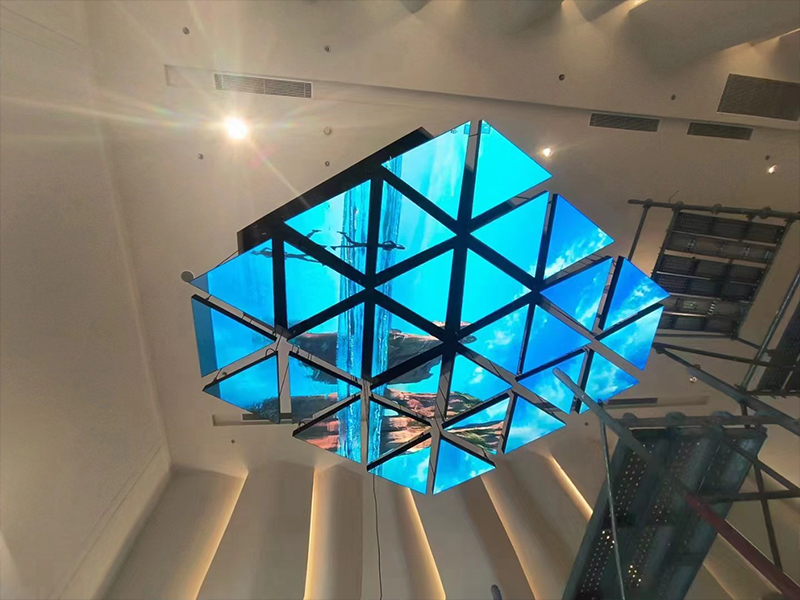
Every kinetic LED project requires customization. Screen size, motion type, and installation environment vary widely across applications.
Strong suppliers provide services such as:
· Structural engineering design
· Custom motion mechanisms
· Integration with architecture or stage systems
· Simulation and visualization before production
This design phase ensures the installation operates safely and delivers the intended visual impact.
Because kinetic LED systems include mechanical components, long-term support is essential.
A dependable supplier should offer:
· Professional installation guidance
· Motion calibration and system debugging
· Spare parts supply and maintenance plans
· Remote diagnostics and software updates
After-sales service reduces downtime and extends the lifespan of the installation.
While price plays an important role in purchasing decisions, buyers should avoid selecting suppliers based solely on the lowest quote. Kinetic LED displays involve complex mechanical structures, and lower-quality components can lead to frequent maintenance or system failures.
Instead, evaluate suppliers based on:
· product reliability
· engineering capability
· service support
· long-term operational cost
A well-designed kinetic LED display delivers higher visual impact and long-term stability, making it a worthwhile investment.
Choosing the right kinetic LED display supplier requires careful evaluation of technical expertise, mechanical system quality, control software, customization capability, and after-sales support. By selecting an experienced supplier with strong engineering capabilities, project owners can ensure their kinetic LED installation operates reliably and creates the immersive visual experience they expect.
 +86 18688923792
  andy@tosled.com


