


Industry news


View: 308

Release time:2026-03-24
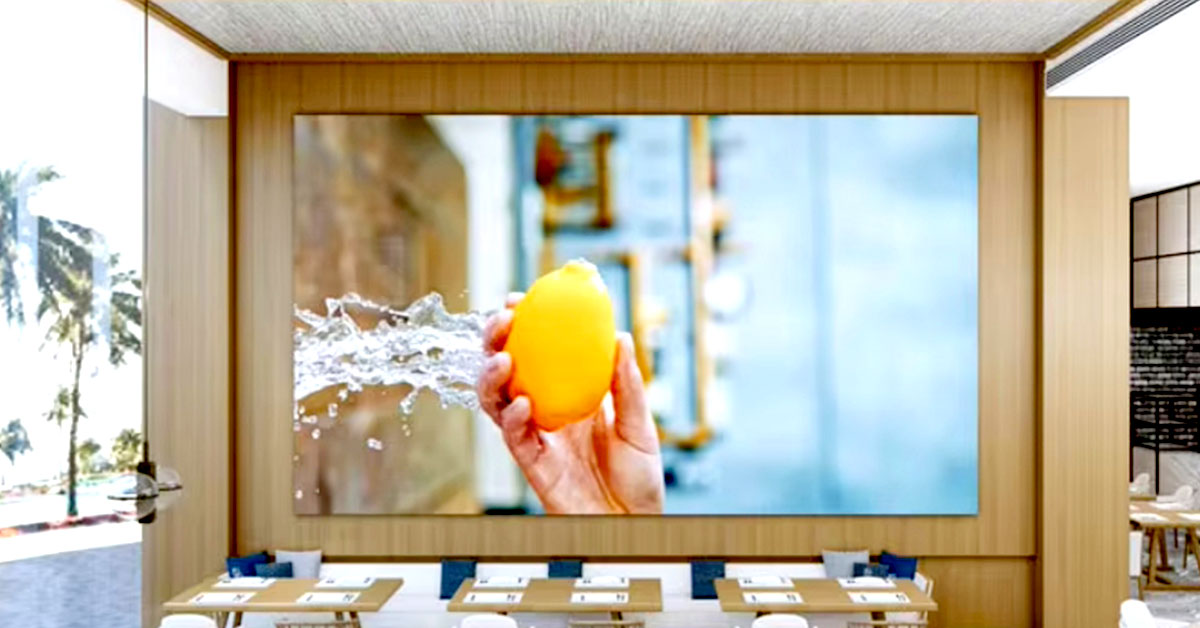
In modern commercial environments, every square meter matters. That’s why more designers and business owners are turning to indoor corner LED displays. Instead of leaving corners unused or visually disconnected, you can transform them into immersive digital focal points.
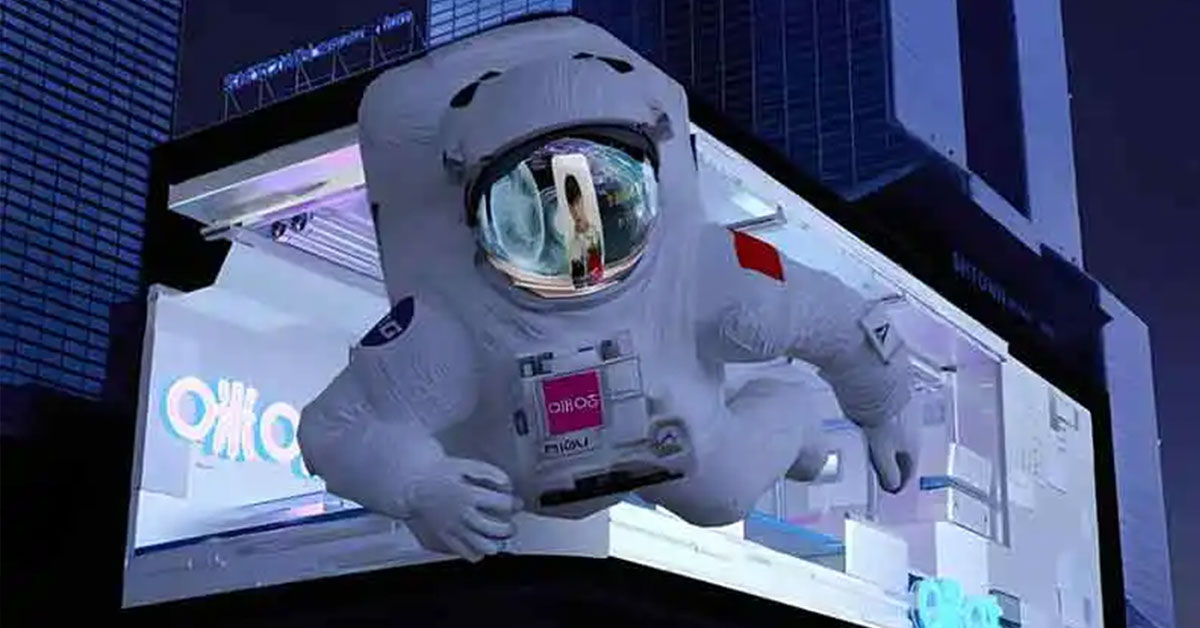
An indoor corner LED display is a specially designed LED screen that fits seamlessly into a 90-degree corner—or even customized angles—inside a building. Unlike traditional flat LED walls, it wraps around edges and creates a continuous visual experience across two intersecting surfaces.
As a result, viewers no longer see a “break” in the content. Instead, they experience a more natural and engaging visual flow.
First and foremost, corner LED displays help you make full use of underutilized areas. Corners often go unnoticed in retail stores, showrooms, or exhibition halls. However, once you install a corner screen, you instantly turn that space into a high-value visual asset.
Because the screen spans two walls, it naturally expands the viewer’s field of vision. This setup enhances immersion, especially when you display dynamic content like animations or videos. In other words, the audience feels more “inside” the content rather than just observing it.
If you want to stand out in a competitive indoor environment, you need something different. A corner LED display does exactly that. It breaks away from conventional flat displays and delivers a more memorable visual impression.
You can design content specifically for corner layouts. For example, you can create visuals that “wrap” around the corner or use perspective effects to produce 3D illusions. Consequently, your content becomes more creative and attention-grabbing.
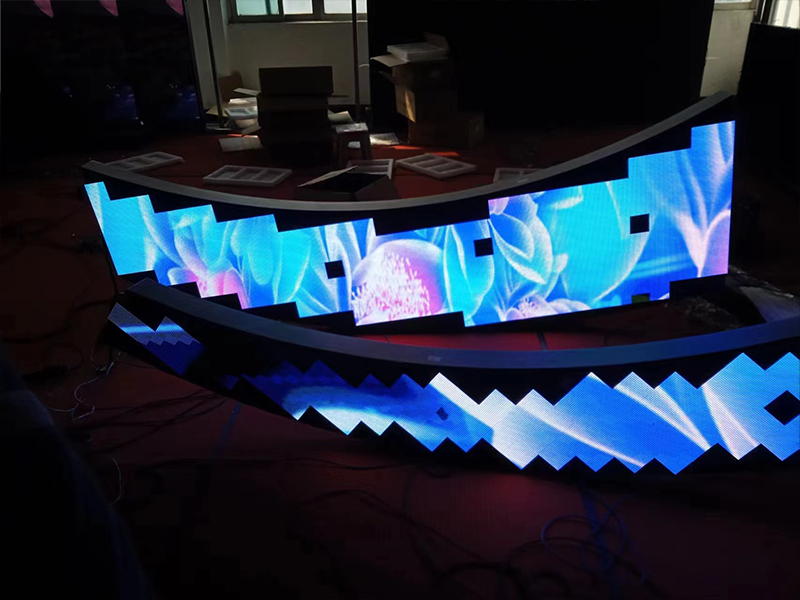
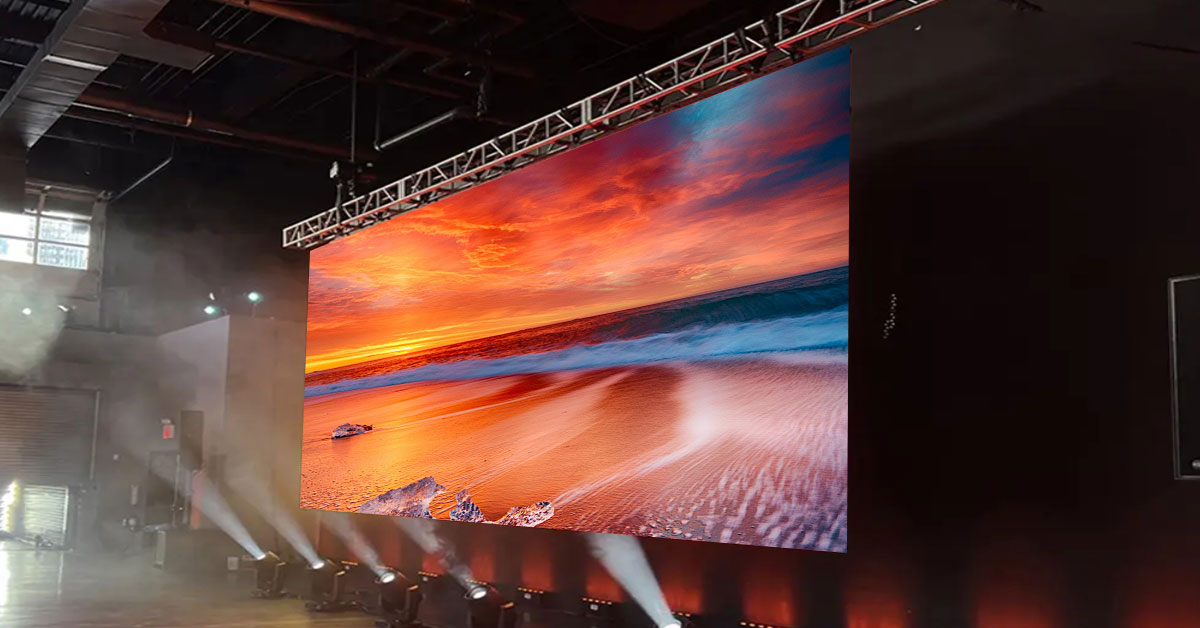
For indoor applications, you should choose a fine pixel pitch such as P1.2, P1.5, or P2. This ensures high resolution at close viewing distances and delivers crisp image quality.
A high-quality corner LED display must maintain visual consistency across the angle. Therefore, manufacturers need precise cabinet design and alignment to avoid visible gaps or brightness differences at the corner.
Since viewers may approach from different directions, you should ensure wide viewing angles. This helps maintain consistent brightness and color from both sides of the corner.
You should plan the installation method early. Front maintenance designs often work best for indoor corner displays, especially when rear access is limited. In addition, a modular structure simplifies servicing and reduces downtime.
Indoor corner LED displays work well across a wide range of environments:
Retail stores: Highlight promotions and create eye-catching product zones
Shopping malls: Enhance digital signage and guide customer flow
Corporate showrooms: Present brand stories in a more engaging format
Exhibition spaces: Attract visitors and differentiate your booth
Entertainment venues: Add depth and creativity to stage or interior design
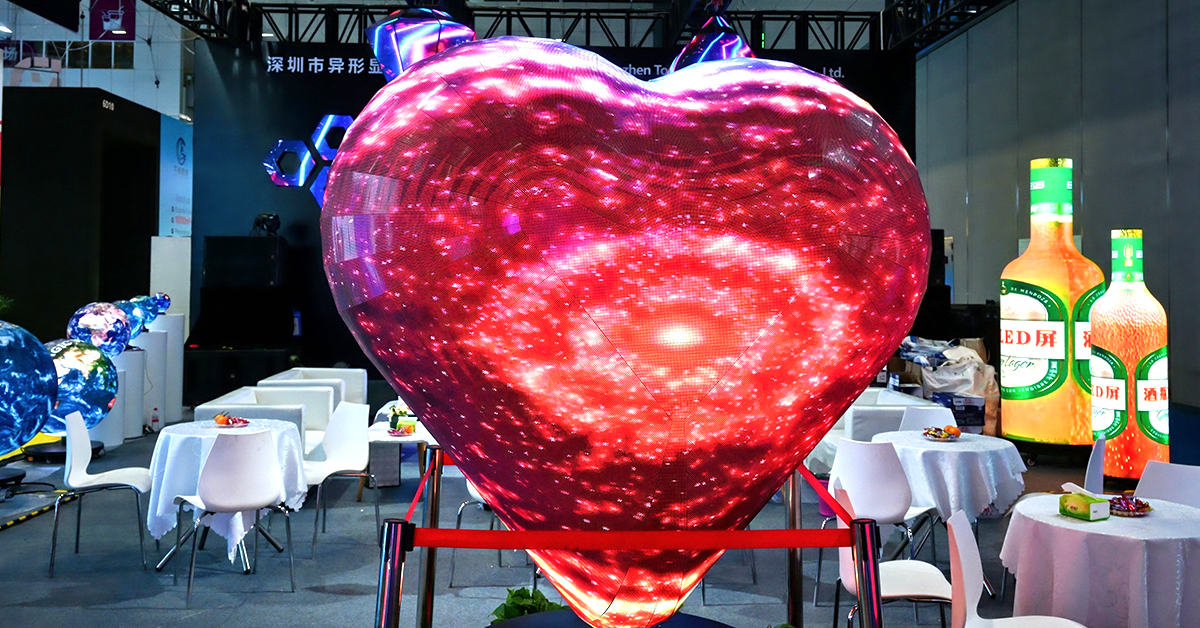
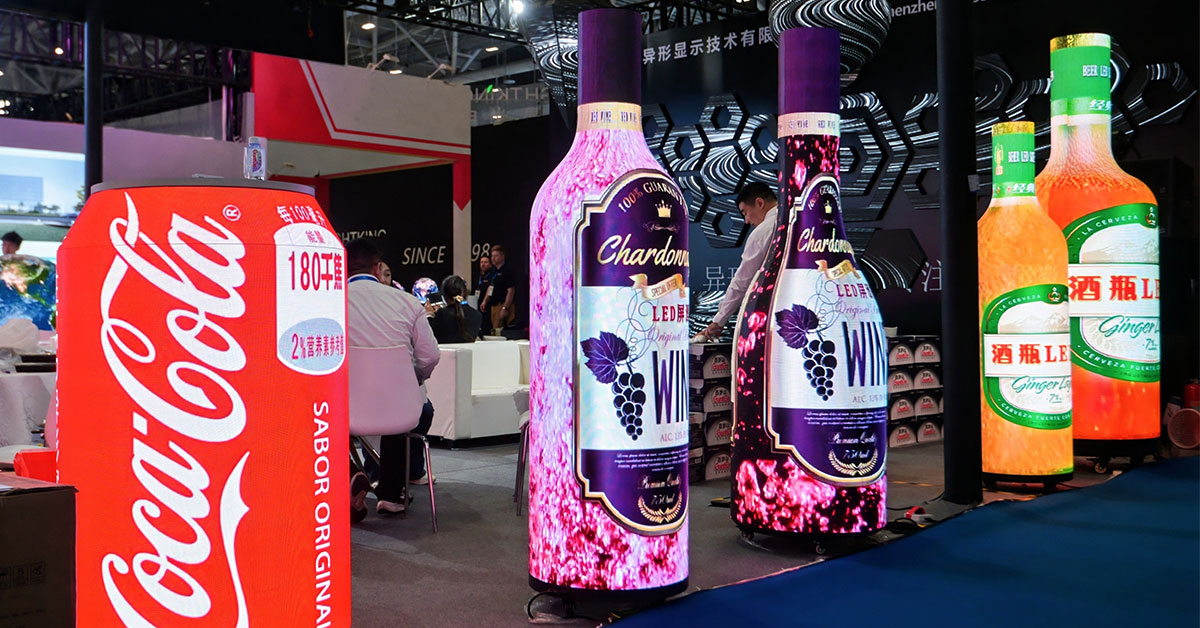
Standard displays cannot always meet the unique requirements of corner installations. Therefore, many companies now prefer customized LED solutions. A professional manufacturer can tailor the cabinet structure, pixel pitch, and content layout to fit your exact space.
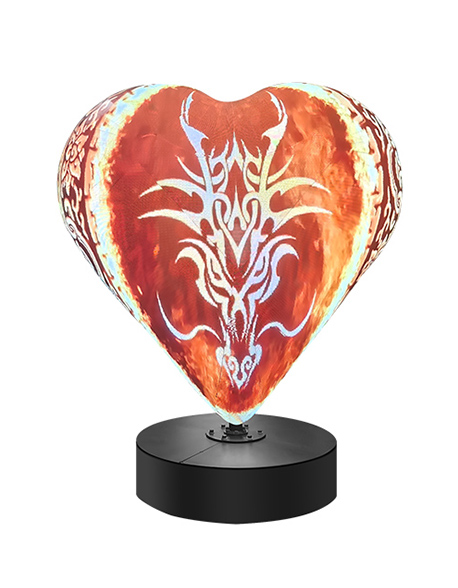
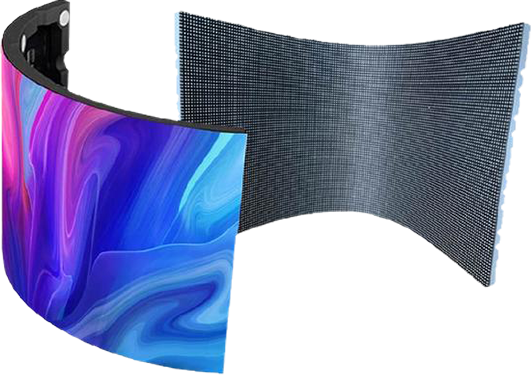
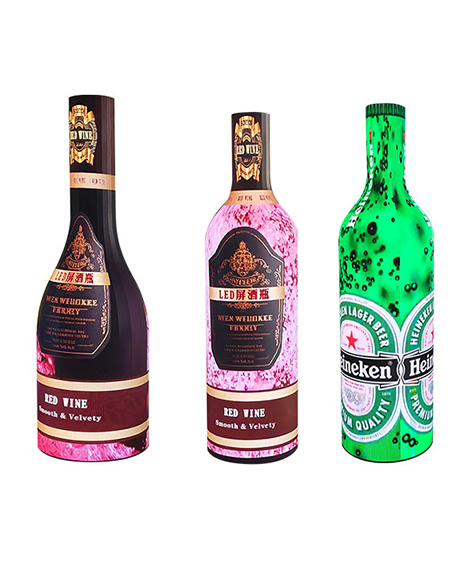
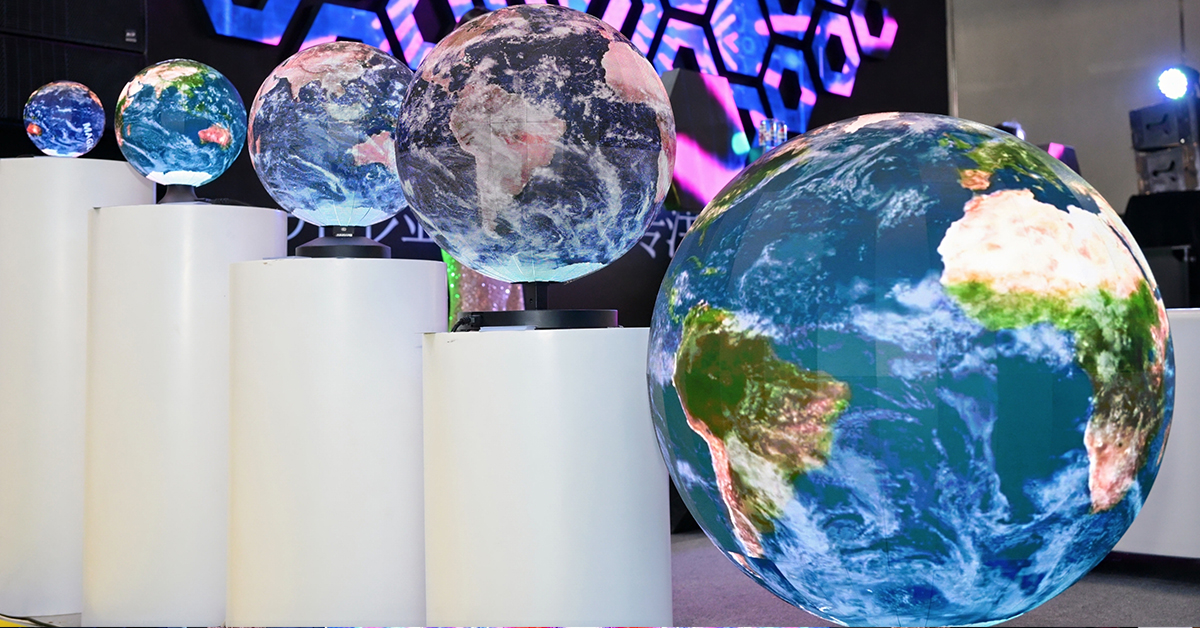
For example, brands like Toosen focus on creative LED display designs, including corner screens and other special-shaped solutions. By combining technical precision with design flexibility, they help clients achieve both functional and aesthetic goals.
Indoor corner LED displays do more than just fill a gap—they redefine how you use space. By combining smart design, seamless visuals, and creative content, you can turn ordinary corners into powerful visual experiences.
If you want to elevate your indoor environment and capture more attention, a corner LED display offers a practical and visually compelling solution.
 +86 18688923792
  andy@tosled.com