


Industry news


View: 271

Release time:2026-05-27
Installing an LED display involves much more than simply mounting a screen on a wall. A successful installation requires careful planning around the installation environment, mounting structure, power supply, signal transmission, maintenance access, and long-term reliability. This is especially important for custom-shaped and creative LED displays, which often require specialized structural and technical considerations.
The installation location plays a critical role in display performance. Before installation, consider factors such as viewing distance, viewing angle, ambient lighting, and audience traffic flow.
In most cases, the LED screen should be positioned where viewers can easily see the content without obstruction. The mounting surface or support structure must also be strong, level, and vibration-free to ensure long-term stability and safety.
For outdoor LED displays, installers should additionally evaluate:
Sunlight exposure
Wind load
Rain and moisture protection
Heat dissipation conditions
Maintenance accessibility
For indoor installations, room lighting, ceiling height, and wall load-bearing capacity are equally important.
Different applications require different mounting methods. Common LED display installation options include:
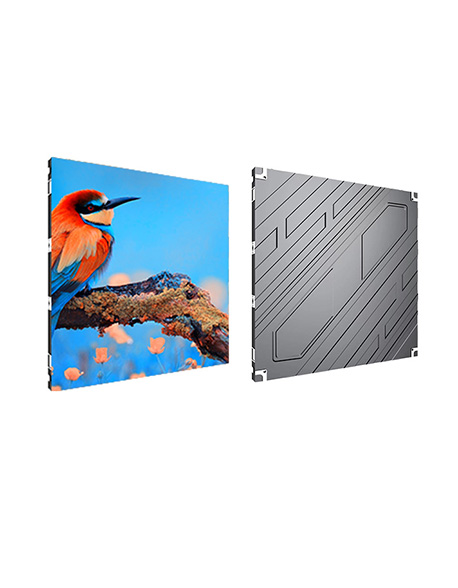
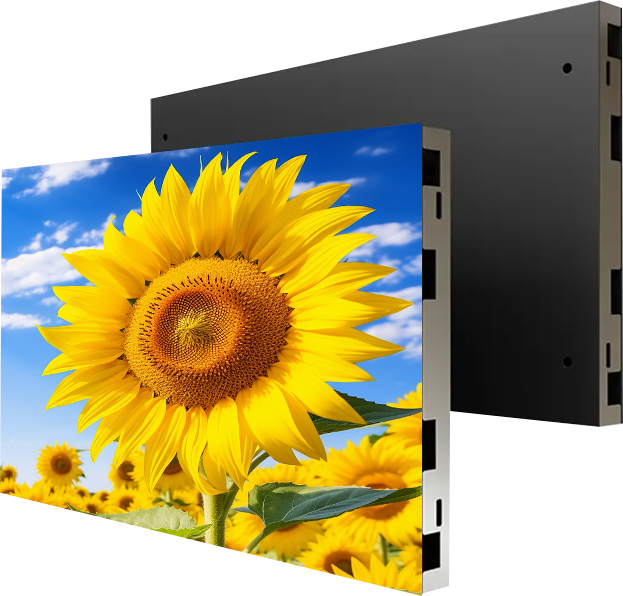
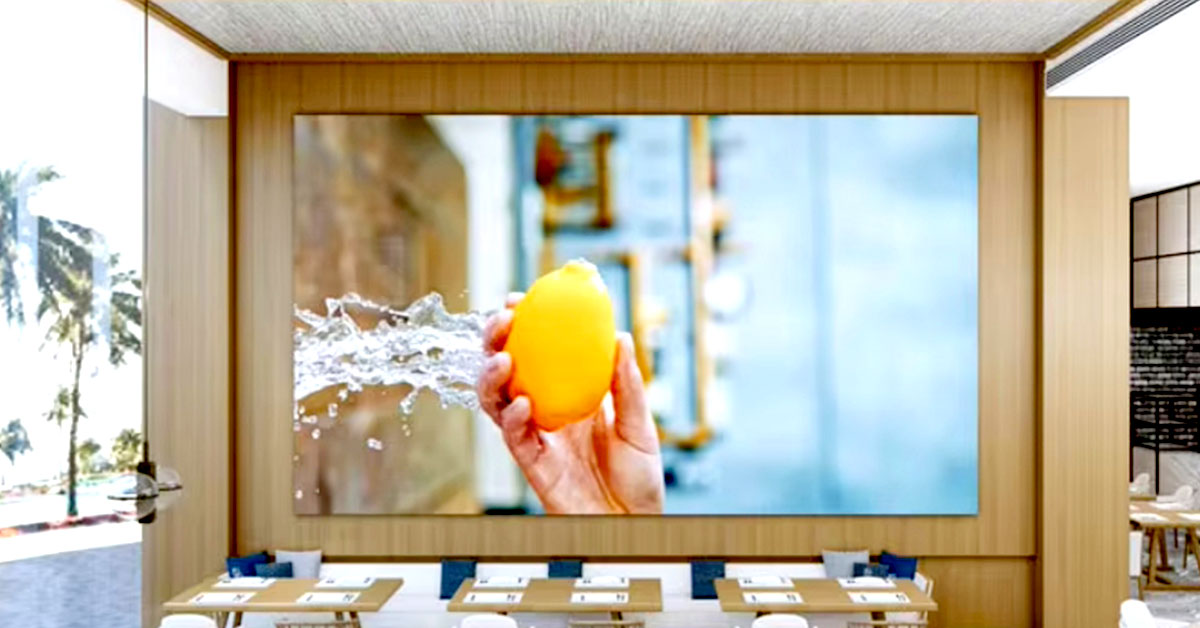
This method is commonly used for indoor fixed LED screens in retail stores, conference rooms, control centers, and studios. The display is securely attached to a wall-mounted steel structure or frame.
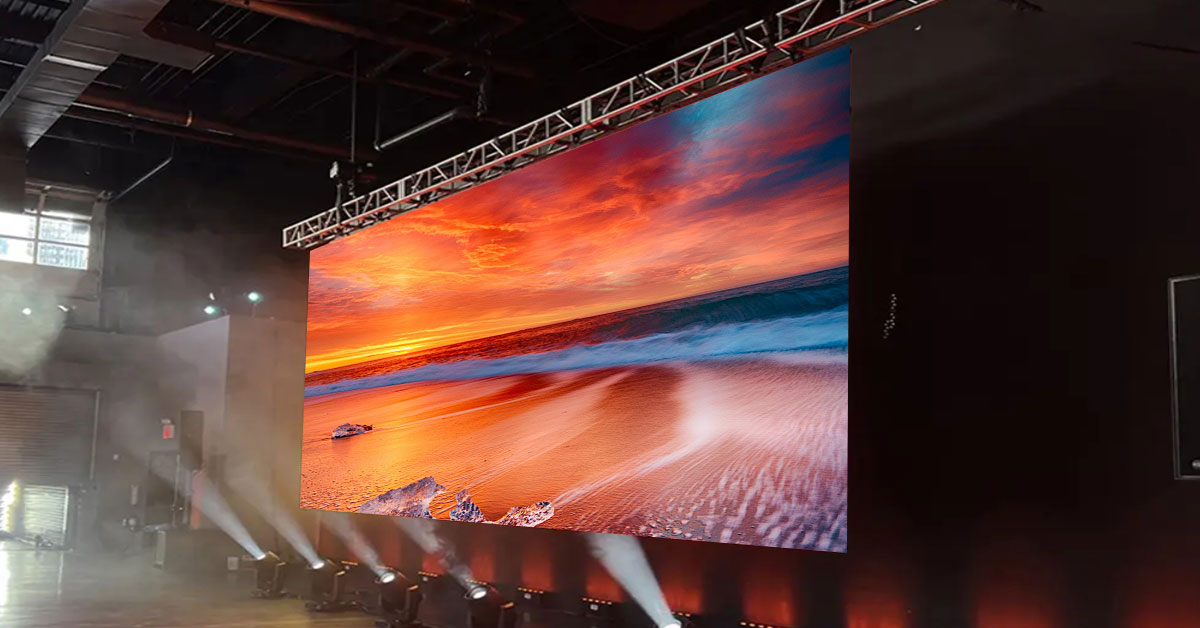
Hanging or suspended installations are ideal for large LED displays used in stages, exhibitions, shopping malls, and event venues. The screen is suspended from the ceiling or beam structure using rigging systems, making maintenance and cleaning easier.
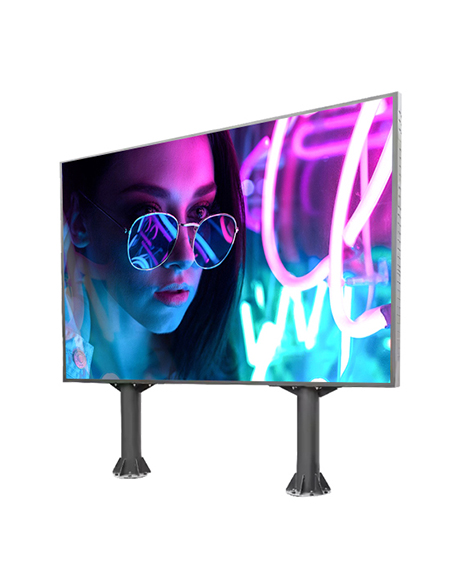
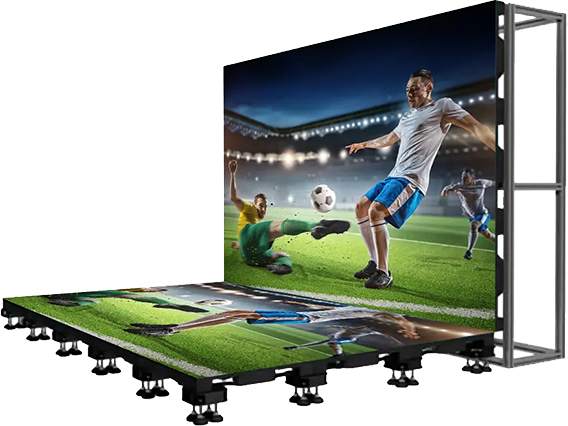
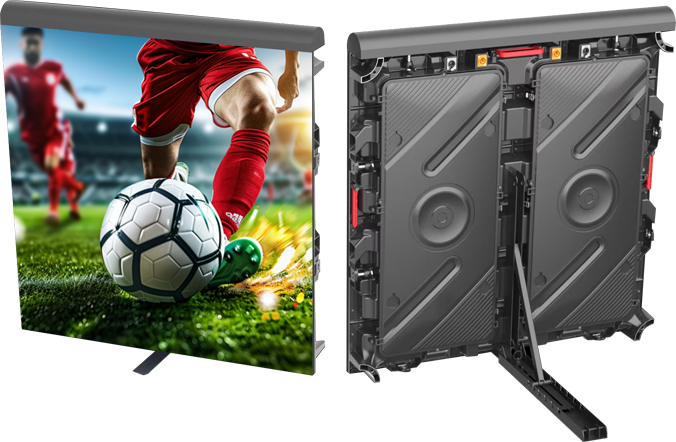
Ground-supported LED displays are widely used for outdoor advertising, rental events, sports venues, and temporary setups. This method allows easy transportation, disassembly, and relocation.
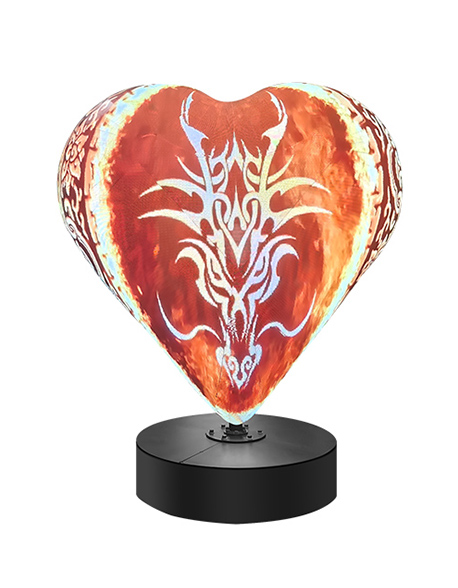
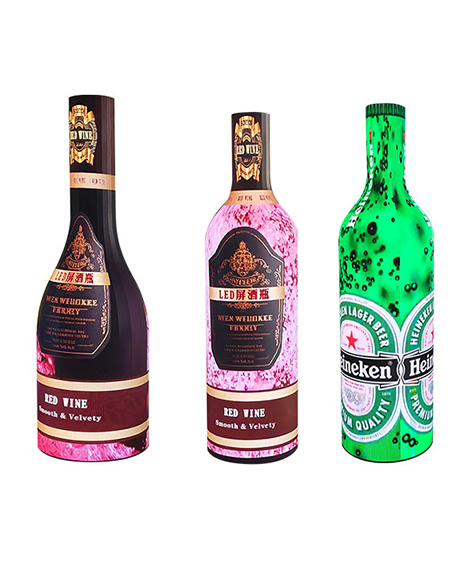
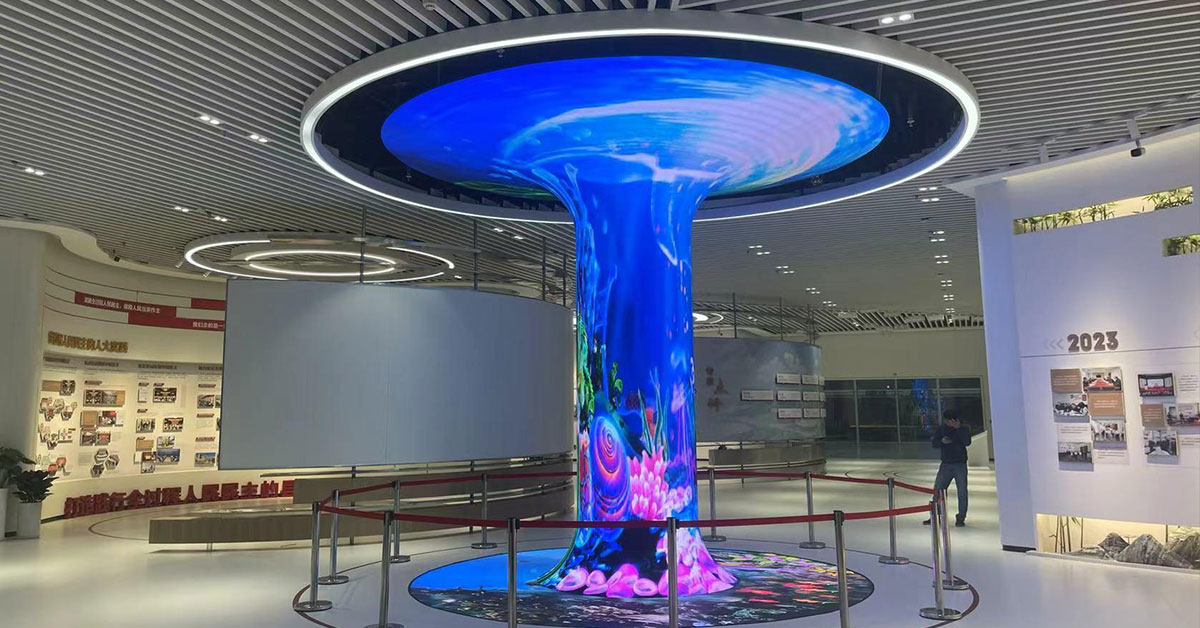
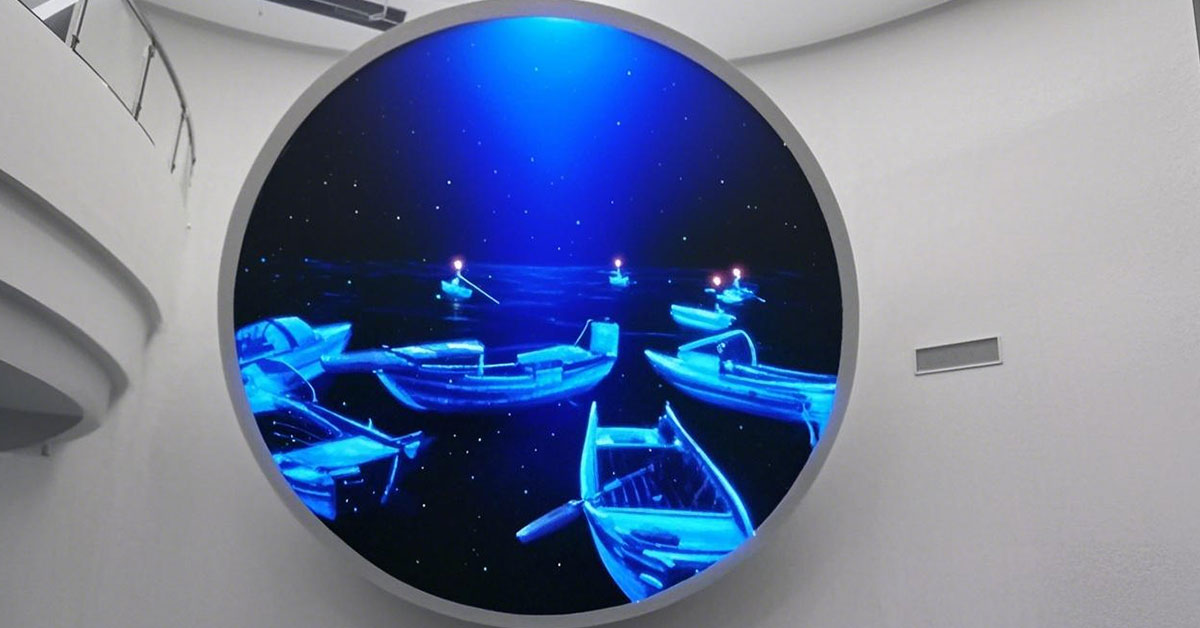
Creative LED displays often require customized mounting structures. Examples include:
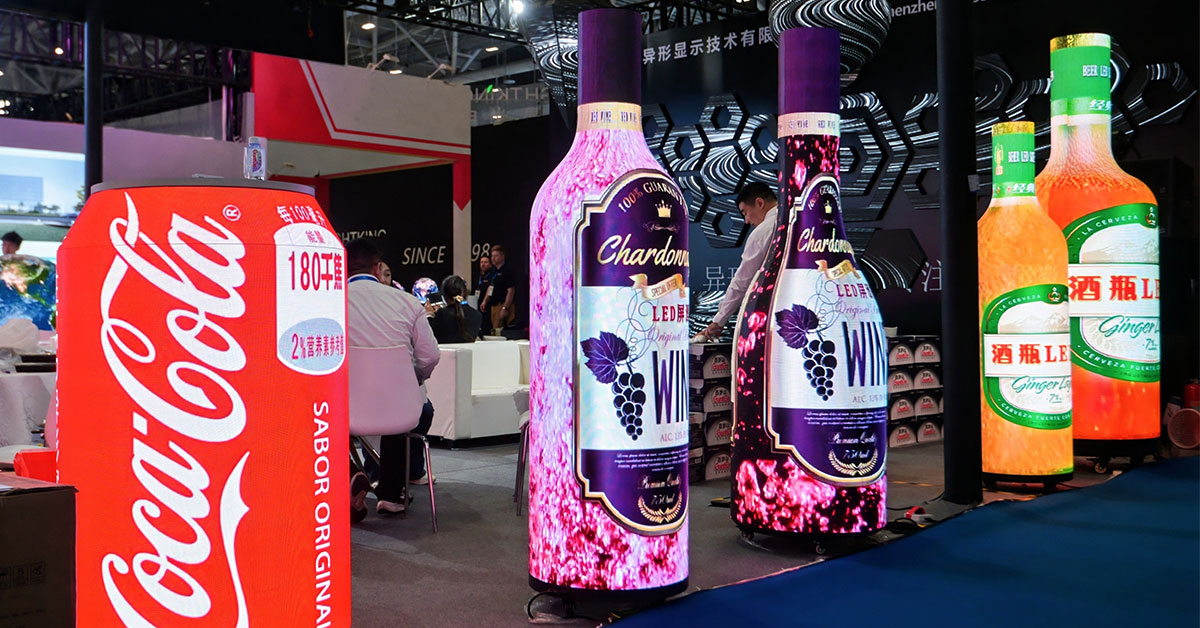
Cylindrical LED screens
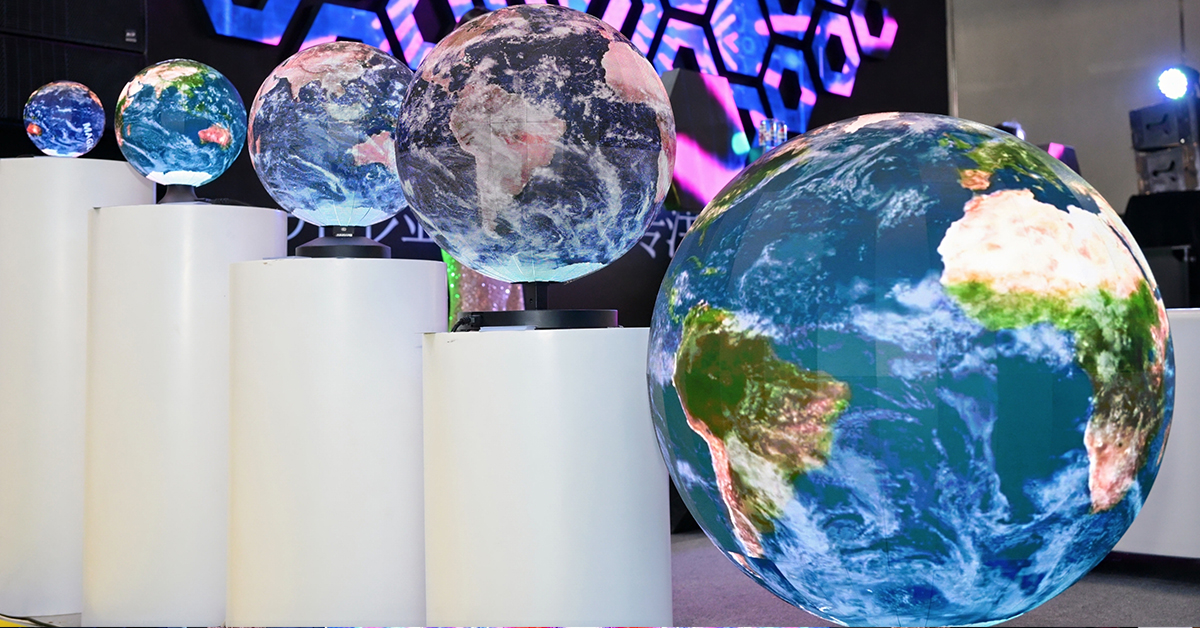
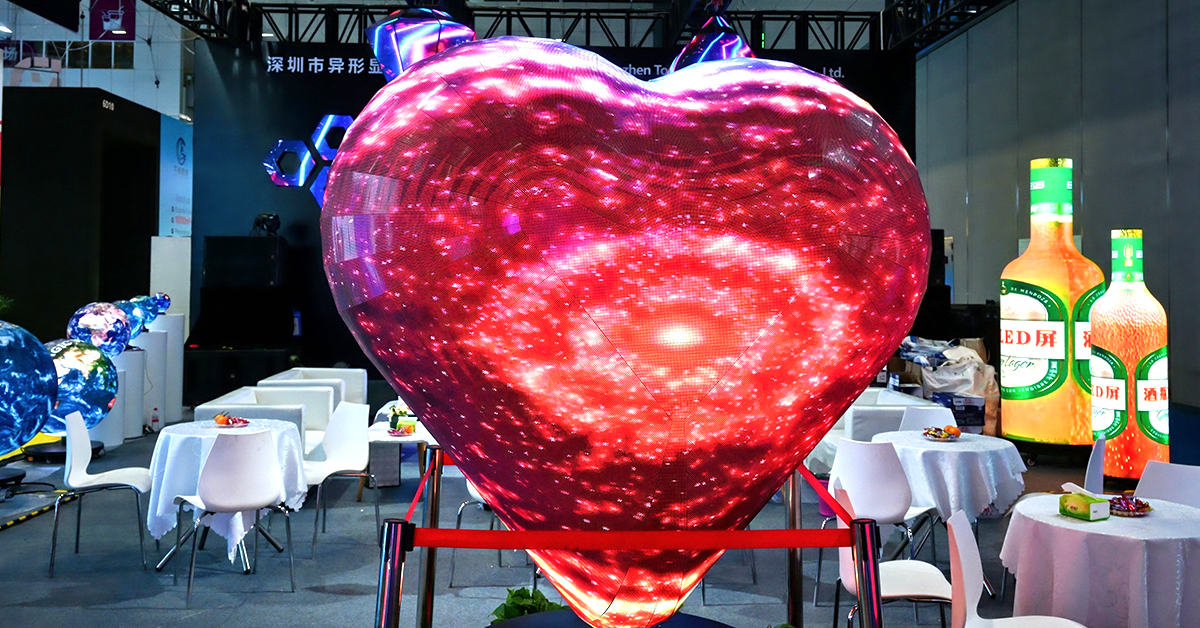
Spherical LED displays
Wave-shaped LED walls
Cube LED displays
Tunnel LED screens
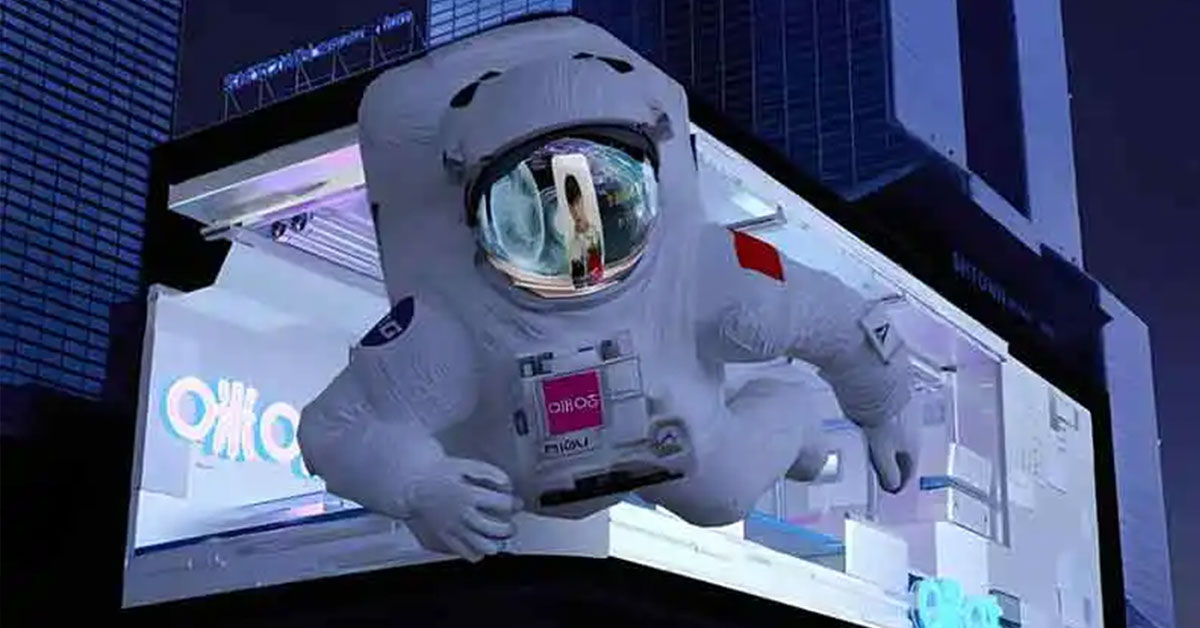
Irregular architectural LED installations
These creative and irregular-shaped LED screens require more precise engineering during installation. Structural calculations, module alignment, curvature accuracy, and cabinet customization become especially important to ensure seamless visual performance.
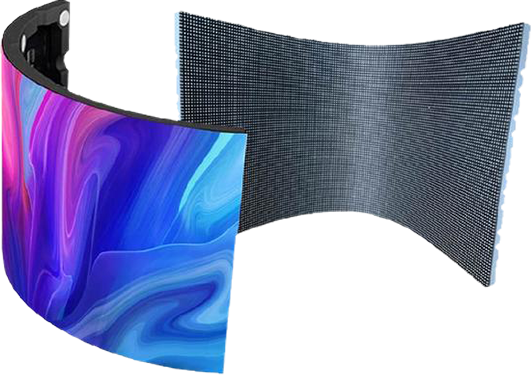
For curved or flexible LED displays, installers must also carefully control bending angles and structural stress to avoid damaging LED modules or affecting display uniformity.
LED displays require a stable and properly configured power system to operate safely and consistently.
Before installation, verify:
Voltage and frequency compatibility
Total power consumption
Cable load capacity
Grounding system
Surge protection
Power distribution layout
All power connections should be clean, secure, and compliant with electrical safety standards. Installers should also inspect for short circuits, loose connections, or grounding issues before powering on the system.
For large outdoor LED screens, it is highly recommended to include:
Lightning protection systems
Backup power solutions
Independent distribution cabinets
Intelligent power management systems
LED displays communicate with controllers and media processors through data transmission systems. Proper signal transmission is essential for stable image quality and reliable operation.
Before connecting data cables, check:
Cable type and transmission distance
Signal compatibility
Connector quality
Shielding and interference protection
Network layout
Common transmission methods include:
Ethernet cable transmission
Fiber optic transmission
Wireless control systems
Remote cloud-based management
For large LED video walls or long-distance installations, fiber optic transmission is often preferred because it provides greater signal stability and reduces electromagnetic interference.
Cable routing should remain organized and protected to avoid signal loss, electromagnetic interference, or accidental damage.
After installation is complete, the LED display must undergo comprehensive testing and calibration.
Technicians should verify:
Display content accuracy
Pixel performance
Brightness uniformity
Color consistency
Refresh rate stability
Signal synchronization
Overall image clarity
If abnormalities appear, the system should be adjusted and repaired immediately.
Professional projects may also include:
Aging tests
Waterproof testing
Heat resistance testing
Voltage resistance testing
Structural safety inspection
These procedures help ensure long-term reliability and operational safety.
LED displays operate in various indoor and outdoor environments, so proper protection systems are essential.
Important protection measures include:
Lightning protection
Moisture resistance
Dust protection
Anti-corrosion treatment
Waterproof sealing
Theft prevention
Fire safety measures
Outdoor LED displays, especially creative architectural installations, often face more challenging environmental conditions. Therefore, their cabinet structure, waterproof rating, and ventilation design must be carefully planned during installation.
For irregular-shaped LED screens, waterproofing and drainage design can be more complex because custom structures may create gaps, curves, or hidden connection points.
Routine maintenance is necessary to maximize LED display lifespan and maintain image quality.
Maintenance typically includes:
Surface cleaning
Module inspection
Cable inspection
Cooling system maintenance
Corrosion prevention
Brightness calibration
Scheduled power cycling
During installation, sufficient maintenance space should always be reserved behind or around the screen. Front-service or rear-service access should be selected according to the installation environment.
Creative LED displays often require modular maintenance solutions because some custom structures make traditional servicing more difficult.
A well-designed LED display system should allow future upgrades and expansion.
Many modern LED screens use modular cabinet designs, making it easier to:
Replace damaged modules
Upgrade pixel pitch
Expand display size
Integrate new control systems
Improve resolution and brightness
When installing the display, it is wise to reserve extra space for:
Additional power capacity
Spare signal ports
Future controller upgrades
Structural expansion possibilities
This is particularly important for commercial advertising displays, stage productions, and large creative LED projects that may evolve over time.
LED display installation is a highly technical process that requires careful planning, professional engineering, and proper execution. From selecting the installation location to configuring power systems, signal transmission, structural support, and maintenance access, every detail affects the screen’s performance, safety, and lifespan.
Creative and irregular-shaped LED displays introduce even greater installation complexity, requiring customized structures, precise alignment, and advanced engineering support. With proper planning and professional installation, both standard and creative LED displays can deliver outstanding visual performance and long-term reliability across retail, events, architecture, entertainment, transportation, and commercial advertising applications.
 +86 18688923792
  andy@tosled.com