


Industry news


View: 238

Release time:2026-03-24
Transparent LED screens bring a new dimension to architectural displays. They allow light to pass through while displaying content. Custom-shaped transparent screens, however, have unique encapsulation challenges that require precise engineering.
Maintaining Transparency
Traditional LED encapsulation uses thick resin or silicone. For transparent screens, the material must be optically clear to preserve see-through effects.
Protecting Against Environmental Damage
Transparent panels are often used in glass facades or outdoor installations. Encapsulation must prevent UV damage, moisture intrusion, and dust accumulation without obstructing visibility.
Flexible Shapes
Custom-shaped panels may curve or bend. Encapsulation materials must remain adhesive and stable even on complex surfaces.
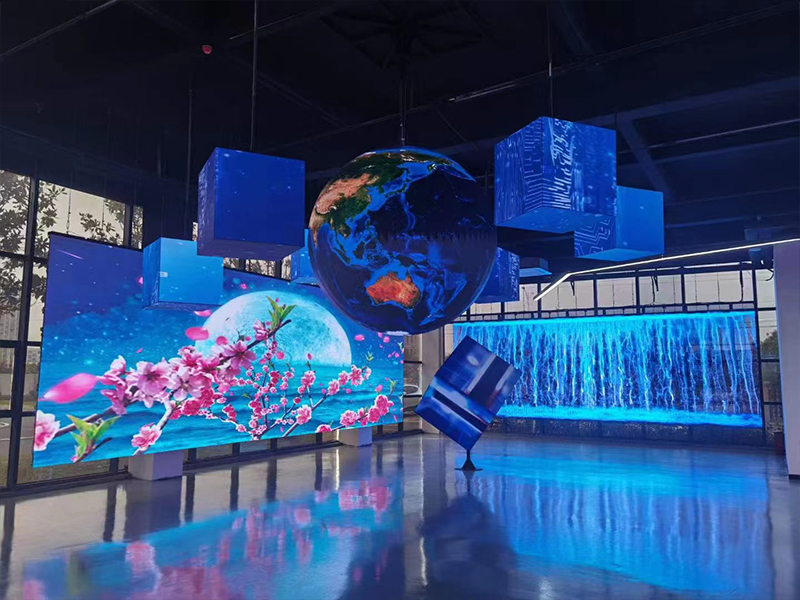
Optical Resin Coating: A thin, clear resin layer protects each LED chip while maintaining light transmittance.
UV-Resistant Silicone Seals: Flexible silicone seals prevent moisture ingress at module joints.
Precision Module Alignment: Accurate module placement ensures transparency remains uniform across the screen.
Layered Encapsulation: Some designs use multiple layers of resin and protective coatings to balance durability with optical clarity.
Choose a manufacturer with experience in transparent curved or shaped panels.
Verify light transmittance percentages and UV resistance for the intended environment.
Brands like Toosen provide tailored encapsulation solutions for transparent irregular LED displays, ensuring both performance and aesthetics.
Proper encapsulation guarantees that transparent custom-shaped LED screens remain durable, visually striking, and suitable for architectural integration.
 +86 18688923792
  andy@tosled.com