




Industry news


View: 159

Release time:2026-04-24
When people talk about immersive LED displays, they usually focus on resolution, pixel pitch, or brightness. However, one technical parameter often determines the real viewing experience: refresh rate.
In fact, an LED screen with a refresh rate of ≥3840Hz significantly improves visual comfort, motion clarity, and professional usability. As display systems move into XR stages, virtual production, and high-end exhibitions, refresh rate becomes a core performance indicator rather than a secondary spec.
First, high refresh rates eliminate visible flicker.
Human vision typically perceives flicker at low refresh frequencies (generally below ~250Hz). Once the refresh rate exceeds this threshold, the brain no longer detects flickering, and the image appears stable.
Therefore, when an LED display operates at:
1920Hz → subtle flicker may still exist under certain conditions
≥3840Hz → flicker becomes completely imperceptible
As a result, viewers experience:
Less eye strain during long viewing sessions
Reduced visual fatigue
More stable immersion in content-rich environments
In addition, higher refresh rates reduce variations in perceived brightness over time, which further improves comfort in continuous viewing scenarios.
Next, high refresh rates dramatically improve motion performance.
When content moves rapidly—such as:
Racing sequences
Dance performances
Particle simulations
Camera pans in cinematic content
low refresh displays often introduce visible motion blur or ghosting.
However, at ≥3840Hz:
Pixel response becomes more synchronized
Motion trails shorten significantly (often below 0.5mm in perceived blur distance)
Edges remain sharp even during fast transitions
In comparison, lower refresh systems (e.g., 1920Hz) produce noticeably longer motion trails, which reduce realism.
Therefore, higher refresh rates directly enhance perceived motion accuracy, which is essential for immersive environments.
In addition, high refresh rates play a crucial role in filming and live production.
When cameras record LED screens, mismatched refresh frequencies often cause:
Flickering bands
Rolling scan artifacts
Moiré interference patterns
However, once the refresh rate reaches ≥3840Hz, these issues largely disappear.
As a result, production systems benefit from:
Clean footage under high shutter speeds (e.g., 1/2000s)
Stable brightness during slow motion capture
Reliable performance in XR and virtual studio workflows
Consequently, high refresh LED displays become a standard choice for:
Broadcast studios
Virtual production stages
Live concert recording environments
Moreover, higher refresh rates also improve perceived color quality.
When combined with high-bit processing (such as 16-bit grayscale), high-refresh systems help maintain:
Stable brightness transitions
Minimal color shift across frames
Accurate low-light detail reproduction
Because the refresh cycle is faster, the system distributes brightness updates more smoothly. As a result:
Dark areas retain detail
Color gradients appear more natural
Image transitions feel more continuous
This directly strengthens the sense of visual realism, which is critical for immersive applications.
Finally, immersive LED environments rely on one core principle: visual continuity without disruption.
High refresh rates ensure that:
The human eye cannot detect temporal inconsistencies
Motion feels physically natural
The display blends into the surrounding environment
As a result, audiences remain focused on content rather than the display system itself.
This is why high-refresh LED technology has become essential in:
Immersive exhibitions
Theme parks
XR stages
High-end commercial installations
In advanced LED manufacturing, some systems now reach refresh rates of up to 7680Hz, further improving motion accuracy and camera compatibility.
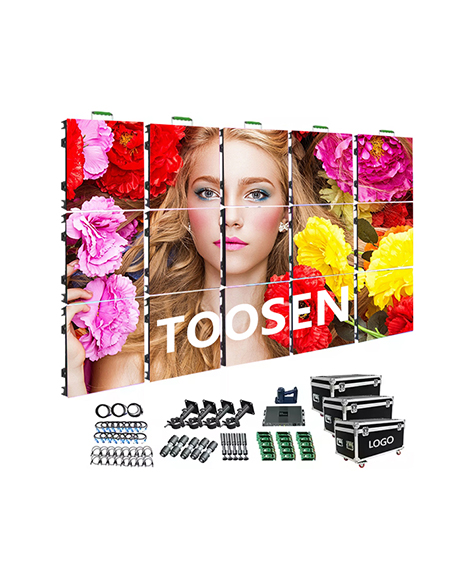
Manufacturers such as Toosen develop high-refresh LED displays designed for:
Professional filming environments
Immersive visual installations
Long-duration viewing comfort
At the same time, they also support customization, including:
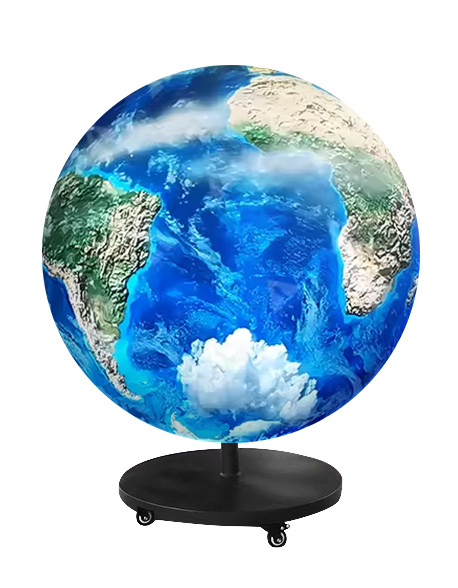
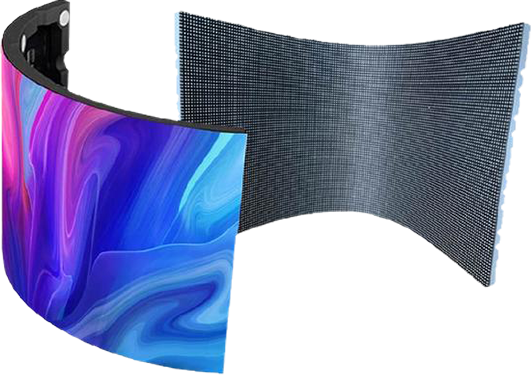
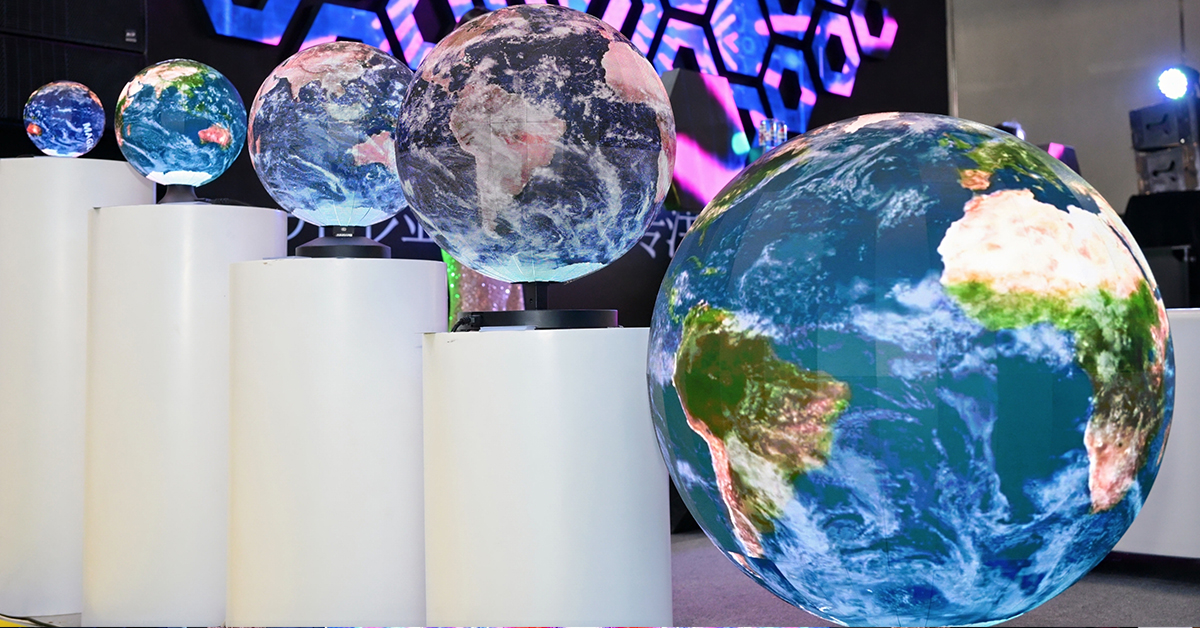
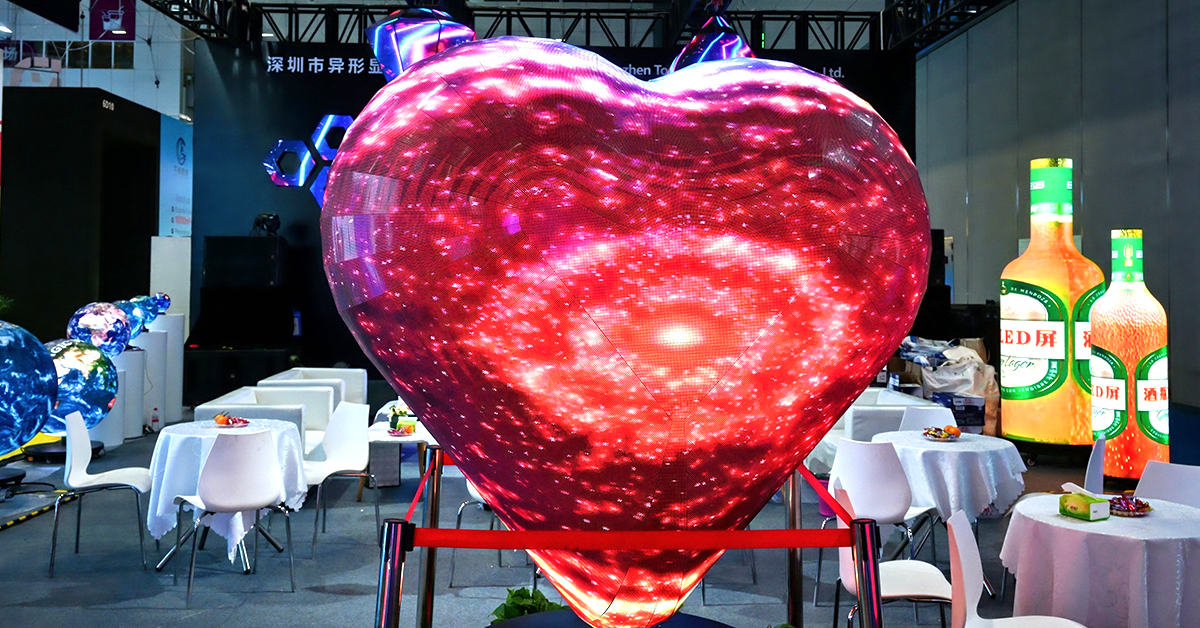
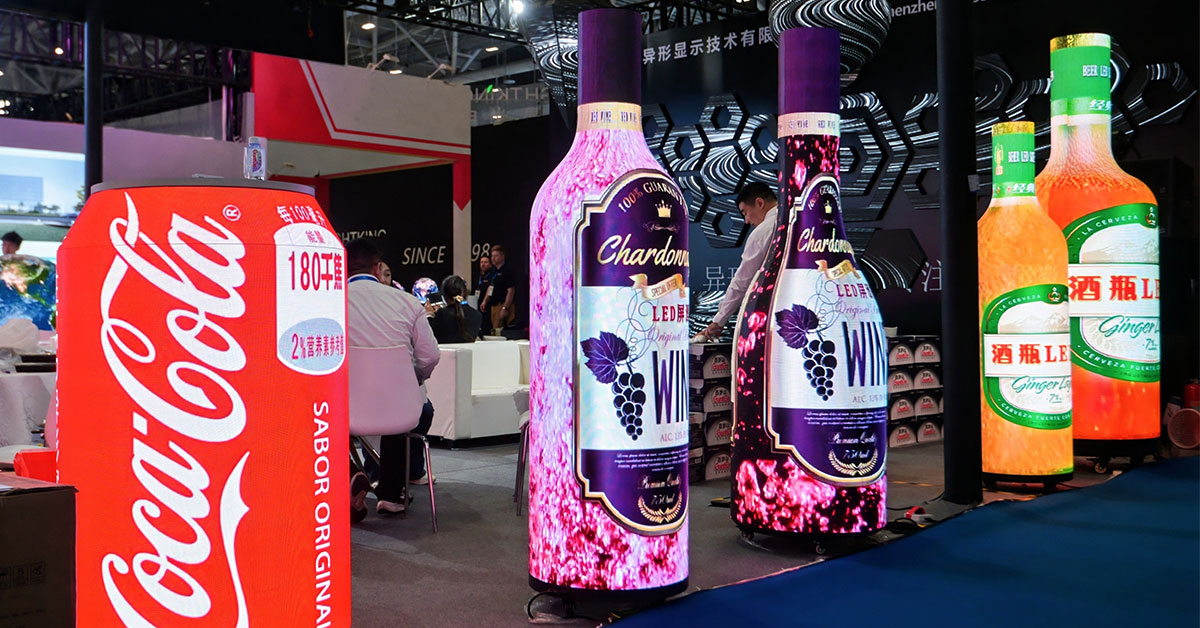
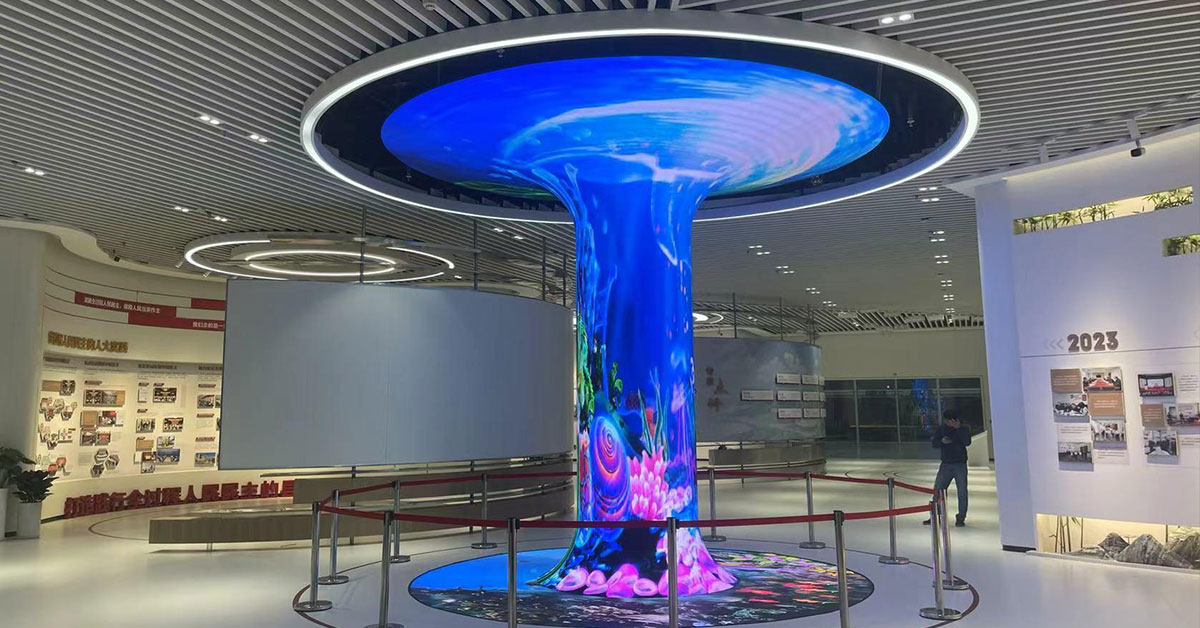
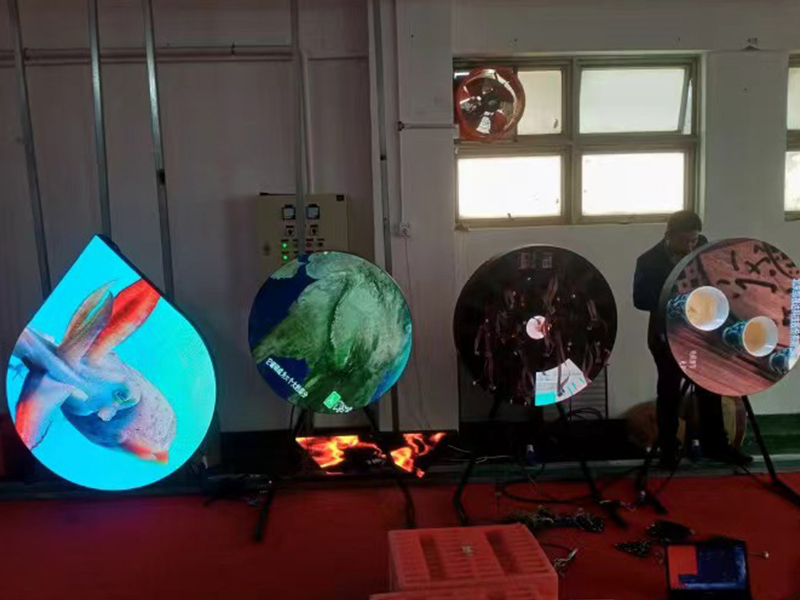
Spherical LED displays
Cylindrical LED structures
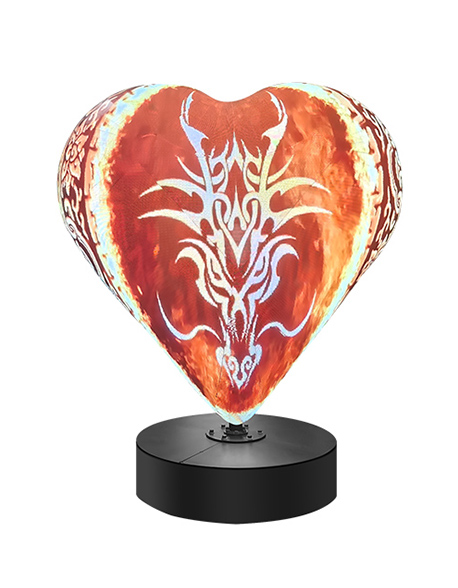
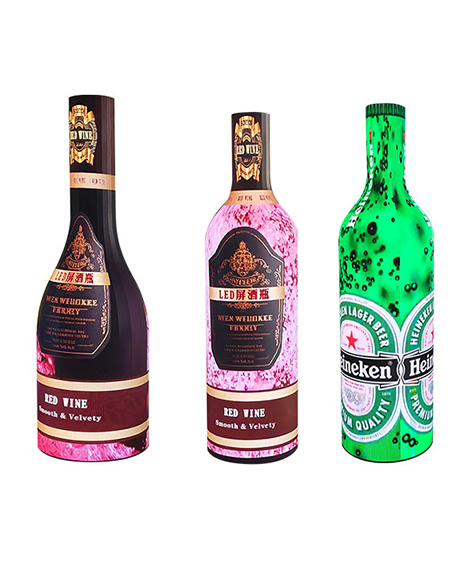
Other creative non-standard shapes
This flexibility allows designers to build fully immersive visual architectures without sacrificing performance.
A refresh rate of ≥3840Hz is not just a technical upgrade. Instead, it fundamentally improves how audiences perceive motion, color, and stability.
By reducing flicker, eliminating motion blur, enhancing camera compatibility, and stabilizing color performance, high-refresh LED systems become a core foundation for modern immersive experiences.
In short, resolution defines detail, but refresh rate defines realism.
 +86 18688923792
  andy@tosled.com


