



Industry news


View: 3

Release time:2026-06-29
Transparent LED displays represent a major advancement in commercial display technology. Unlike traditional solid LED screens that block light and views, these innovative screens allow light to pass through them. Businesses around the world use them to attract customers without altering the architectural beauty of their buildings.
Retailers, architects, and event planners choose transparent LED screens because they offer unique benefits that traditional displays cannot match.
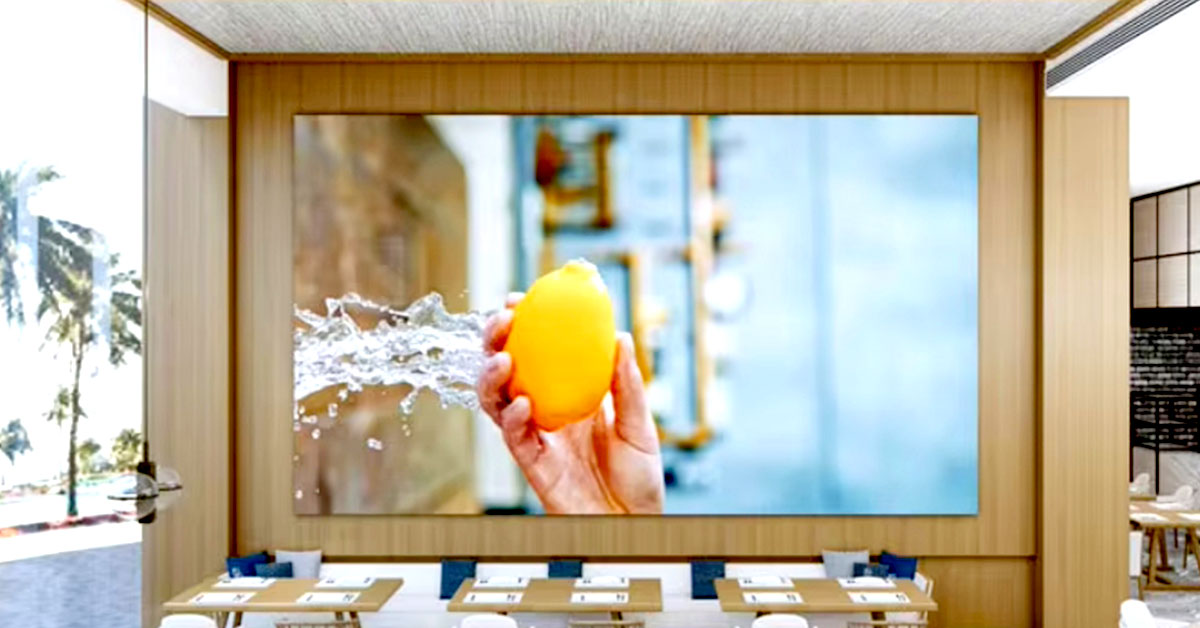
The primary benefit of this technology is its high transparency rate, which typically ranges from 60% to 90%. When you install these screens behind a glass window, they do not block natural sunlight from entering the building. Passersby can see the digital content clearly, while indoor occupants can still look outside.
Traditional LED displays require heavy support structures and thick cabinets. Transparent LED panels, however, use thin aluminum frames and lightweight strips. Because they weigh very little, technicians can install them directly onto existing glass curtain walls without reinforcing the building's structure. This saves both material costs and installation time.
Transparent LED displays consume less power than standard screens. When you display a video, the black portions of the content do not emit light, and the LEDs in those areas turn off completely. This unique trait can reduce electricity consumption by up to 30% to 50% compared to traditional advertising screens.
Most transparent LED displays feature a modular design. If a single LED bulb or light strip breaks, you do not need to replace the entire panel. Technicians can easily replace the specific broken strip from the back of the screen. This design minimizes maintenance costs and reduces downtime.
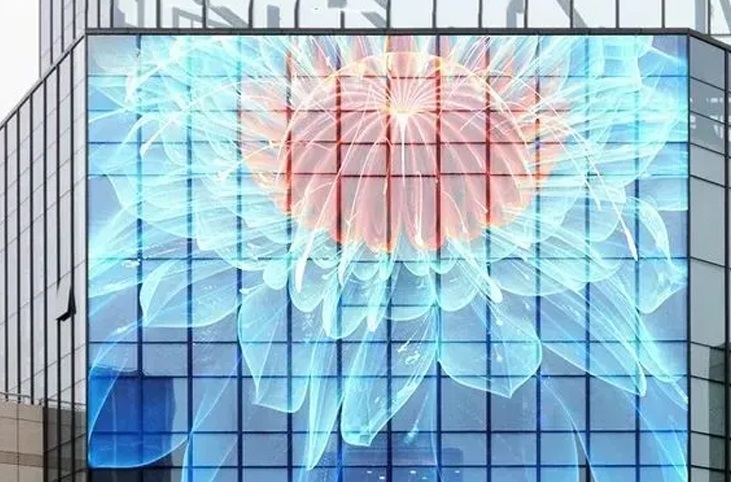
Transparent LED screens serve several important purposes across different industries, blending digital advertising with physical spaces.
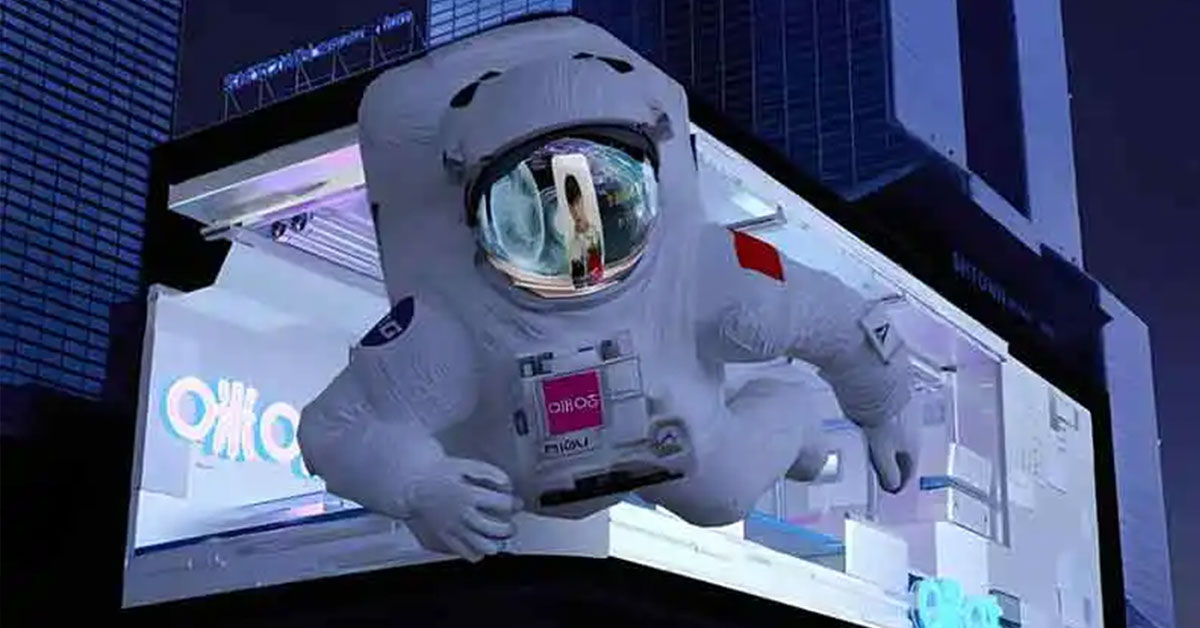
Because the background of the screen is transparent, digital content appears to float in mid-air. This characteristic allows designers to create stunning three-dimensional (3D) illusions. These floating visuals grab the attention of pedestrians much more effectively than flat, solid displays.
Retail stores use transparent LED displays in their front windows to launch dynamic marketing campaigns. The screen displays promotional videos and product highlights, yet it allows shoppers to see the actual products inside the showroom. This function increases foot traffic while maintaining an open, welcoming storefront.
Architects use these displays to turn large glass skyscrapers into giant media facades. During the day, the building looks like a normal glass structure. At night, the screen plays high-definition advertisements or artistic lighting shows, which enhances the city's skyline without ruining the building's daytime design.
In public spaces like museums, airports, and car showrooms, transparent LED screens display crucial information, maps, or product specifications. Visitors can read the digital data on the screen while simultaneously viewing the physical exhibition or vehicle behind the glass.
Transparent LED displays offer a perfect balance between functionality and appearance. They provide high transparency, low energy use, and easy maintenance while delivering eye-catching 3D visuals and effective advertising. By understanding these advantages and functions, businesses can better utilize this technology to upgrade their spaces and attract more customers.
1. Can people see the transparent LED display clearly during bright daylight? Yes. High-quality transparent LED displays have strong brightness levels, often exceeding 5,000 nits. This high brightness allows the digital content to remain perfectly visible to people outside, even when direct sunlight hits the glass window.
2. How do you install a transparent LED display on a glass wall? Technicians usually install these screens indoors directly behind the glass window or curtain wall. They hang the lightweight panels from a top ceiling rail or mount them to a simple frame on the floor, which means they do not need to alter or drill into the exterior glass itself.
3. Do transparent LED displays require special video content? Yes, you get the best results when you use customized content. Designers use black backgrounds for the videos because black pixels turn off and become completely transparent on these screens, which creates the illusion that the colorful objects are floating in mid-air.
 +86 18688923792
  andy@tosled.com