






Industry news


View: 239

Release time:2026-03-31
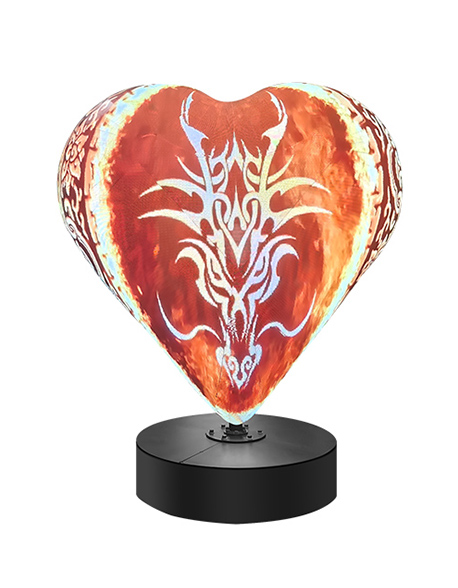
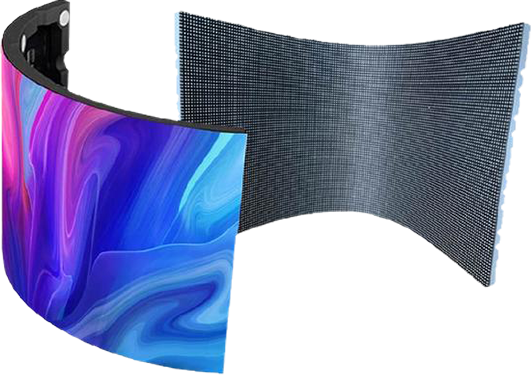
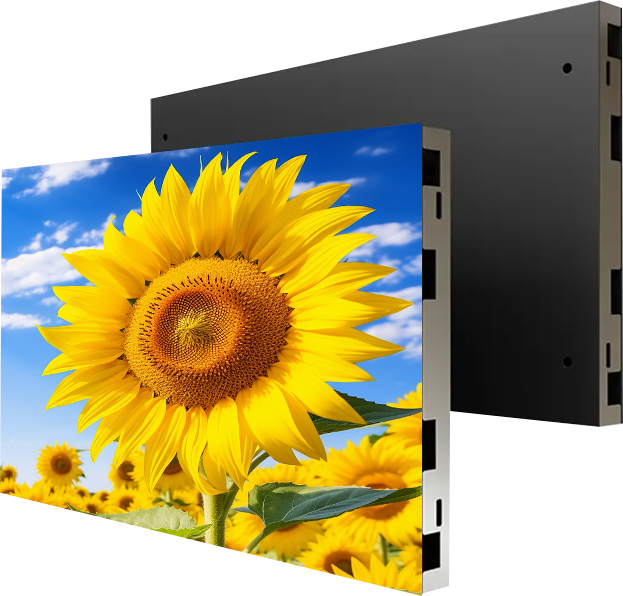
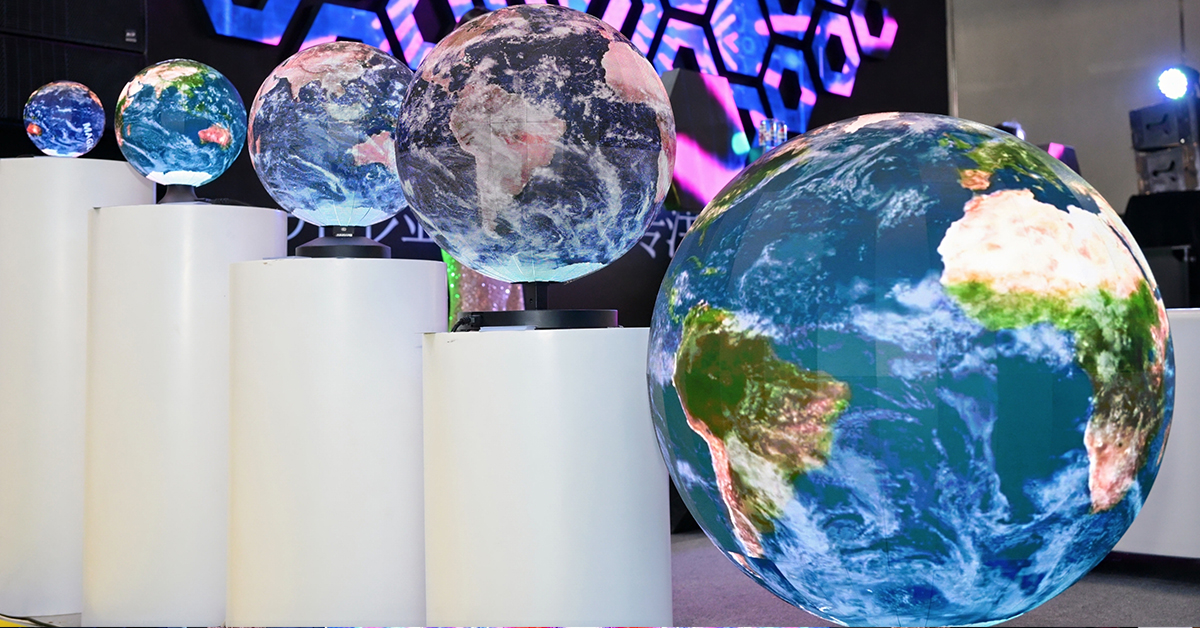
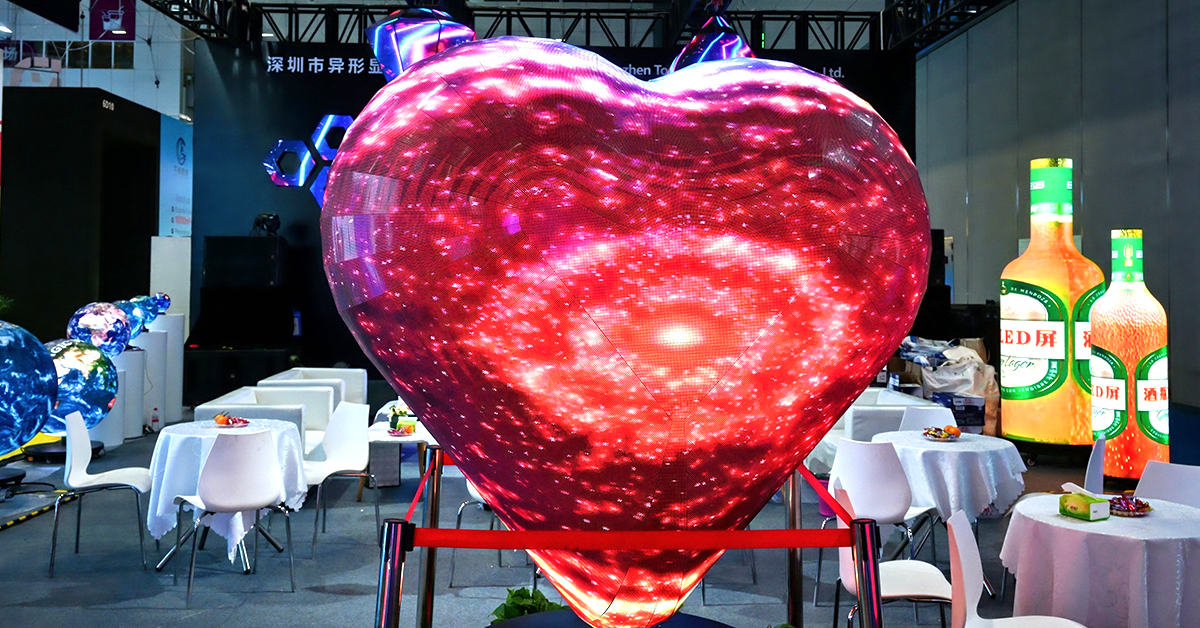
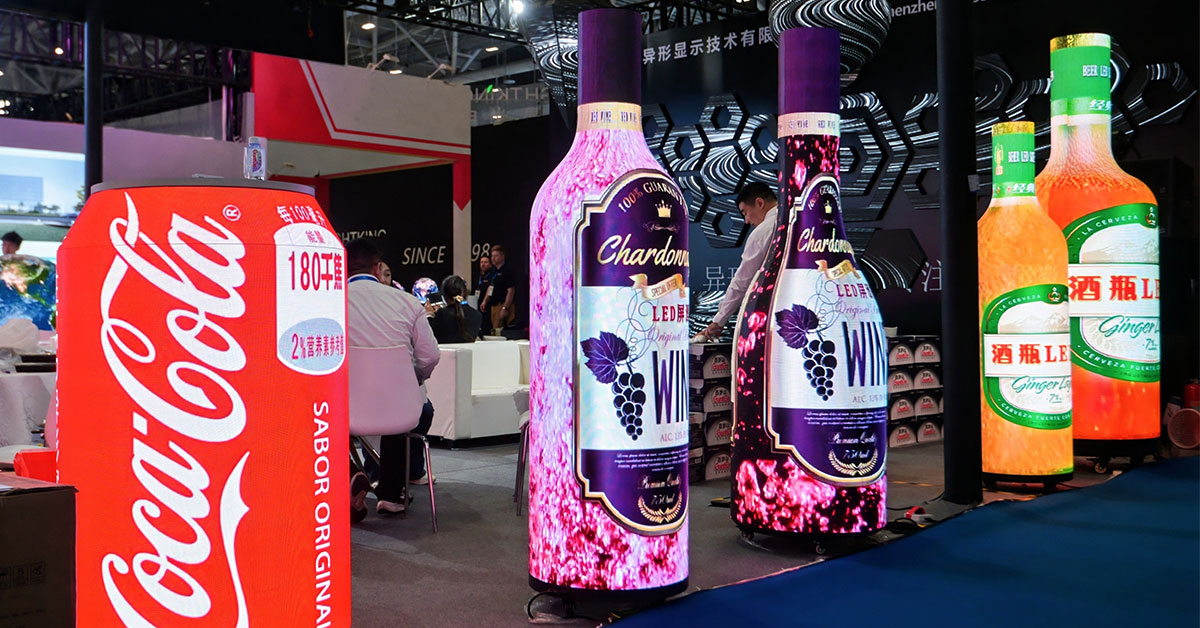
“Custom-molded” (self-tooled) LED modules are specifically engineered to match the exact geometry of a project. Unlike standard rectangular units, these modules align perfectly with the supporting structure. To achieve a physically seamless connection, designers rely on two core mechanisms: magnetic mounting and custom locking systems.
In this approach, engineers embed high-strength magnets into the back of each module, while the supporting frame uses steel or ferromagnetic plates at corresponding positions.
During installation, the module automatically “snaps” into place under magnetic force
The magnets pull the module tightly against the structure, eliminating micro-gaps
Because the force distributes evenly, the module surface stays flush with adjacent units
For custom-shaped modules, designers precisely position magnets based on the geometry. This ensures consistent contact pressure across curved or irregular edges, which is critical for maintaining a seamless visual plane.
Additionally, magnetic systems allow fine positional adjustment during installation. Installers can slightly shift the module before it fully seats, which helps align edges perfectly.
While magnets provide initial positioning and uniform pressure, custom locking systems ensure long-term mechanical stability.
Common solutions include:
Rotary cam locks
Spring-loaded latches
Edge-clamping mechanisms
Engineers design these locks specifically for the module shape and mounting interface.
Here’s how they work:
When engaged, the lock actively pulls the module toward the frame
This action compresses the contact surfaces, removing any remaining gaps
The locking force ensures consistent alignment between neighboring modules
For irregular modules, designers often place locks at key stress points—such as corners or curved transitions—to maintain uniform tension across the entire surface.

By combining magnetic attraction with mechanical locking:
Magnets handle alignment and surface contact
Locks provide tightening force and structural rigidity
This dual-system approach delivers:
Minimal or invisible seams between modules
Consistent surface flatness (even on curved geometries)
Stable positioning over time, despite vibration or thermal expansion
Custom-molded LED modules achieve seamless physical integration by controlling both positioning and pressure:
Magnets align and hold the module in place, while custom locks pull it tight and eliminate gaps.
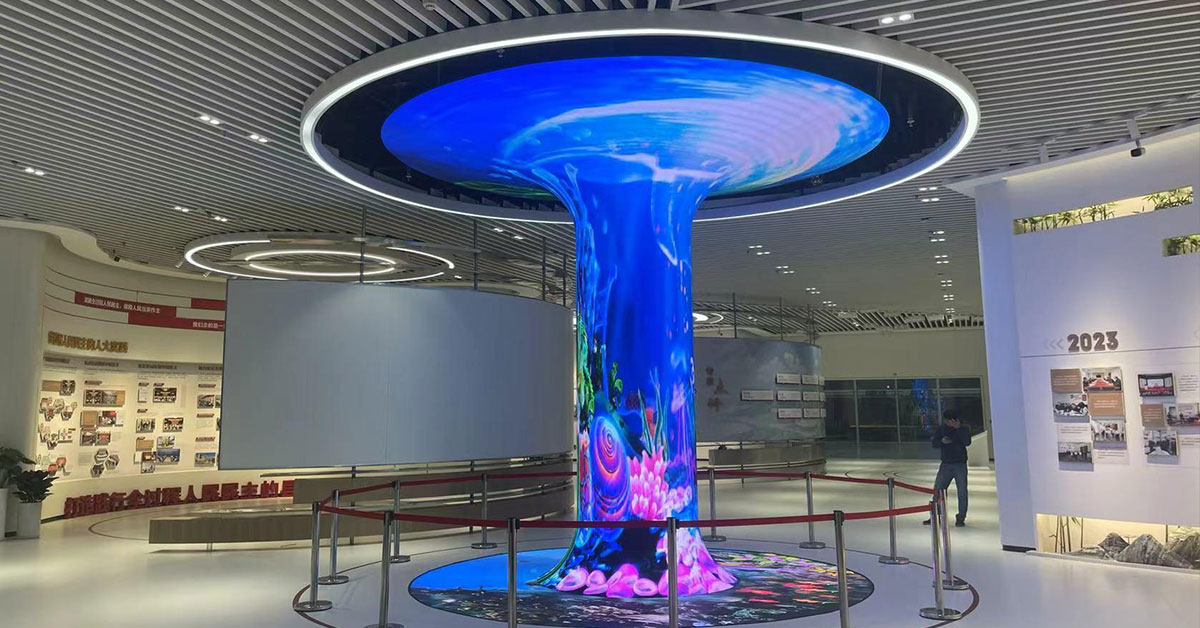
With precise engineering and proper installation, even complex or irregular LED structures can appear as a single continuous surface—without visible seams or misalignment.
 +86 18688923792
  andy@tosled.com


