






Industry news


View: 406

Release time:2026-03-20
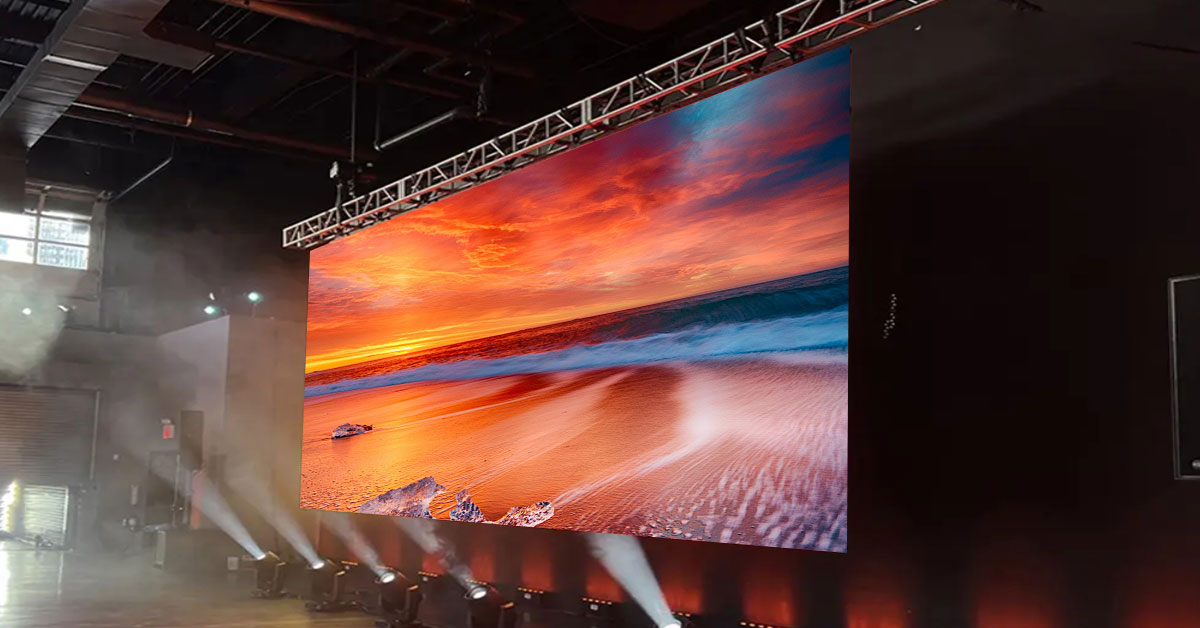
Stage events and concerts rely heavily on LED screens to create immersive visual experiences. However, the brightness requirements for stage LED displays differ significantly from those used in outdoor advertising.
If the screen is too bright, it can overpower stage lighting and affect the audience's viewing comfort. If it is too dim, the visuals lose impact. Therefore, event planners must carefully balance brightness with lighting design.
Most stage and concert LED displays operate within the following brightness range:
Application | Recommended Brightness |
Indoor concerts and theaters | 800–1500 nits |
Large event halls | 1500–2500 nits |
Outdoor concert stages | 3000–5000 nits |
Indoor performances usually require lower brightness because stage lighting already provides strong illumination.
Many people assume brighter screens always produce better visuals. However, overly bright LED displays can create several issues during stage performances:
· They may wash out stage lighting effects.
· Cameras may struggle with exposure during live broadcasting.
· Audiences sitting close to the stage may experience glare.
For this reason, professional event teams carefully adjust brightness to match the lighting design.

Stage LED screens work together with lighting equipment such as spotlights, moving heads, and laser effects. The screen brightness should complement these lighting elements rather than compete with them.
A properly calibrated screen allows lighting designers to create dramatic visual transitions and immersive stage atmospheres.
In addition to brightness, stage LED screens must maintain:
· High refresh rates (≥1920Hz or higher) to avoid flickering on camera
· Accurate color reproduction for video content and visual effects
· Smooth grayscale performance
These factors are particularly important for concerts that are filmed or broadcast live.
Modern stage LED systems often include real-time brightness control, allowing technicians to adjust brightness during performances. This flexibility ensures that the screen always matches the stage environment.
For stage events and concerts, brightness must be carefully balanced with lighting design, camera requirements, and audience comfort. By choosing the right brightness range and adjusting it dynamically, event organizers can create powerful visual experiences without overwhelming the performance.
 +86 18688923792
  andy@tosled.com