
Industry news

View: 208

Release time:2026-06-05
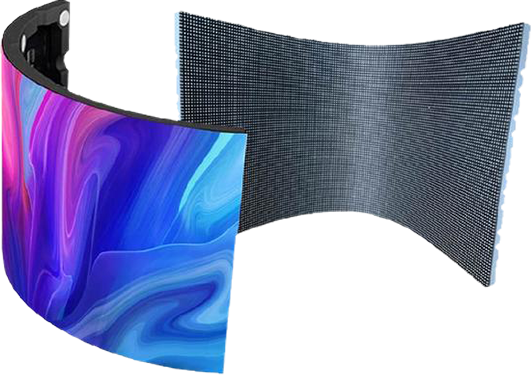
As brands compete for consumer attention in increasingly crowded environments, traditional rectangular displays often struggle to create memorable experiences. Irregular LED screens—including curved screens, spherical displays, cylindrical LED screens, wave-shaped walls, tree-shaped installations, and custom logo displays—offer a powerful alternative.
By breaking away from conventional screen formats, these creative LED displays transform advertising into immersive experiences, interactive attractions, and shareable social media moments. As a result, they help brands increase engagement, strengthen recall, and generate organic exposure.
Shopping mall atriums
Science museums
Brand pop-up stores
Product launches
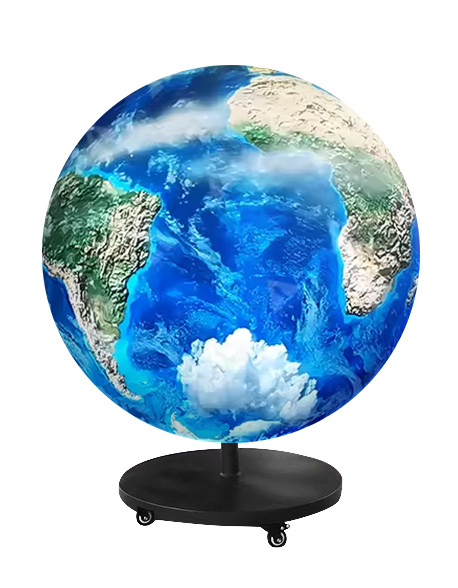
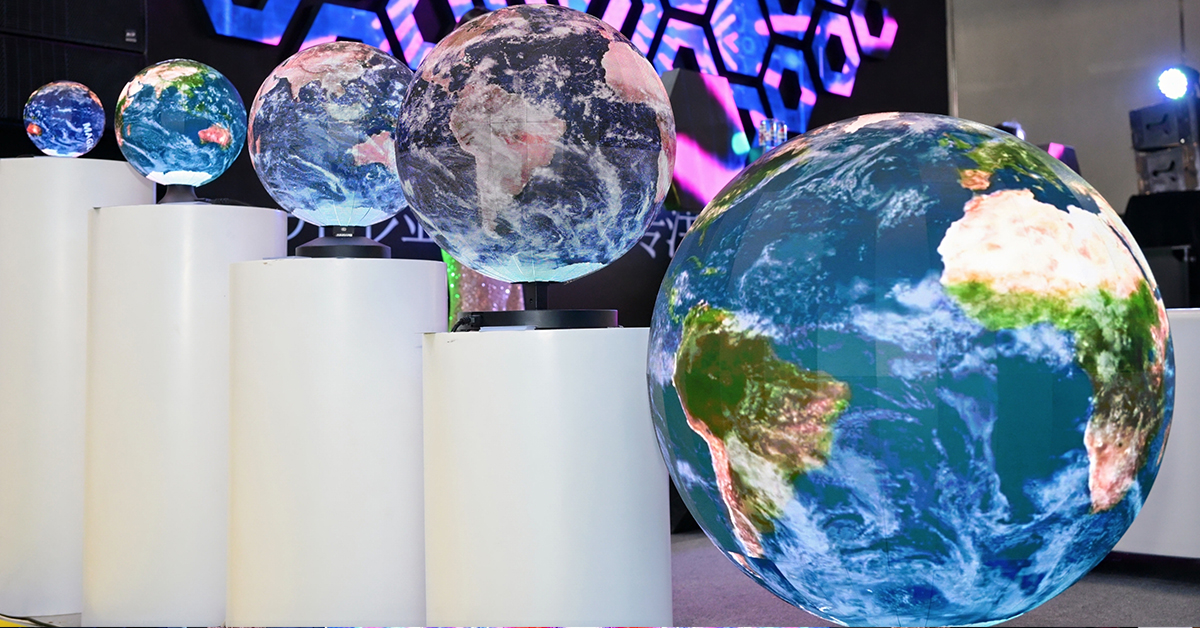
A spherical or dome-shaped LED display surrounds visitors with 360-degree visuals, creating a fully immersive environment. Instead of simply watching an advertisement, audiences become part of the experience.
For example, an automotive brand can use a giant spherical LED screen to showcase a new vehicle from every angle. Visitors can look up, around, and beneath the virtual vehicle, creating a much deeper connection with the product.
Tunnel-shaped LED installations transform ordinary pathways into branded journeys.
Common locations include:
Metro stations
Exhibition entrances
Airport walkways
Shopping center corridors
By combining side-wall displays, ceiling screens, and interactive floor projections, brands can create a visual narrative that unfolds as visitors move through the space.
A coffee company, for instance, can visualize the journey of coffee beans from farm to cup, turning a simple advertisement into an engaging storytelling experience.
Airports
Railway stations
Shopping plazas
Public squares
Unlike traditional billboards that face a single direction, cylindrical LED displays provide 360-degree visibility. When combined with mechanical rotation, they ensure that audiences can view the advertisement from virtually any angle.
This approach can increase the effective exposure area of a structural column by several times compared to conventional static signage.
Architectural LED displays no longer need to appear as separate media elements.
Instead, wave-shaped LED walls can follow the contours of a building and become part of the architecture itself.
Applications include:
Luxury retail stores
Shopping malls
Theaters
Corporate headquarters
When synchronized with carefully designed content, these displays create the illusion that the building itself is moving, breathing, or flowing.
Luxury brands often use this technique to reinforce elegance, sophistication, and exclusivity.
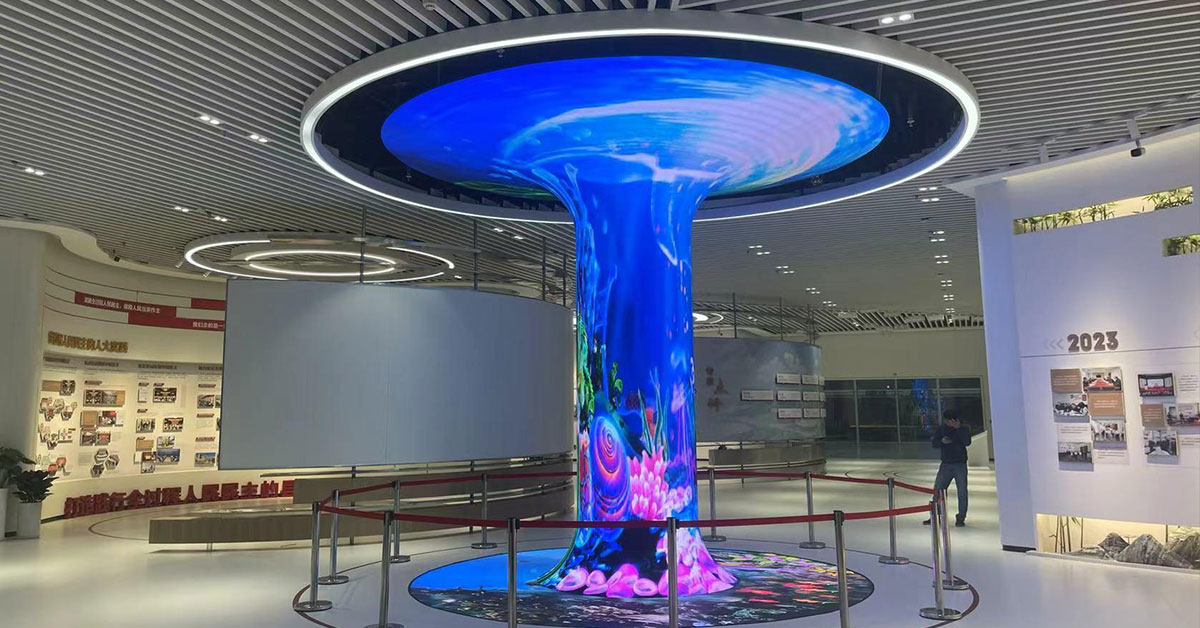
Tree-shaped LED structures combine digital media with public art.
These installations can display:
Seasonal transformations
Blooming flowers
Environmental campaigns
Interactive visual effects
More importantly, they often become landmark attractions that encourage visitors to take photos and share them online. Consequently, advertising exposure shifts from passive viewing to active social sharing.
Transparent LED displays allow brands to deliver digital content without blocking the physical environment behind the screen.
Popular applications include:
Storefront windows
Glass curtain walls
Museum exhibits
Luxury retail displays
For example, a jewelry brand can place a transparent spherical LED screen around a featured diamond ring, combining physical products with floating digital effects.
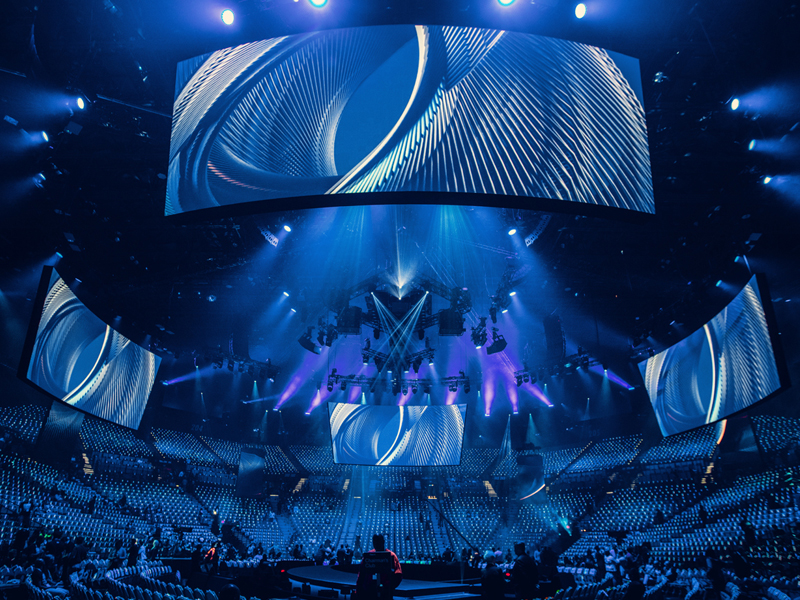
Modern sensors and cameras allow LED screens to respond directly to audience behavior.
Interactive possibilities include:
Hand gestures creating particle effects
Footsteps generating water ripples
Body movement triggering animations
Sports brands frequently use this technology to transform retail spaces into interactive experiences that encourage customers to engage physically with the brand.
By combining irregular LED displays with augmented reality, brands can create multi-layered experiences.
A cylindrical LED screen might display a rocket launch, while a smartphone scan triggers an AR rocket that appears to fly out of the screen and into the viewer's environment.
This approach effectively connects offline advertising with online engagement campaigns.
These installations visualize sound in real time.
Common venues include:
Music festivals
Nightclubs
Product launch events
Corporate celebrations
As audience noise levels increase, the display responds dynamically with changing shapes, colors, and motion.
This creates a direct connection between crowd participation and visual output.
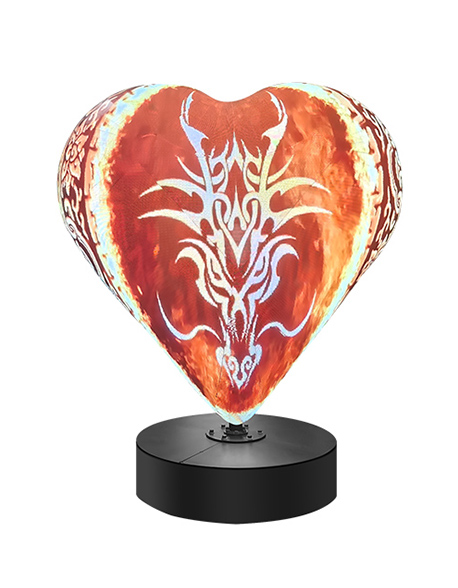
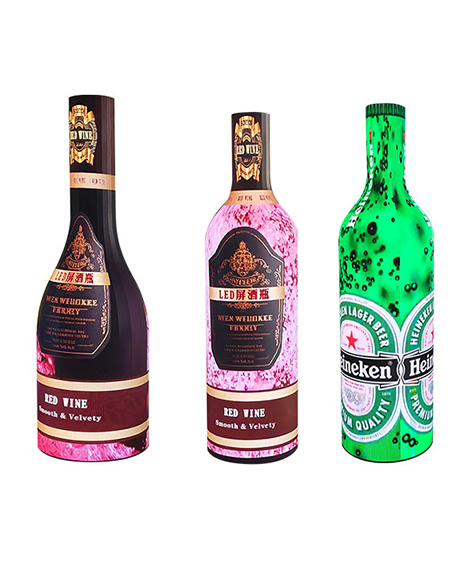
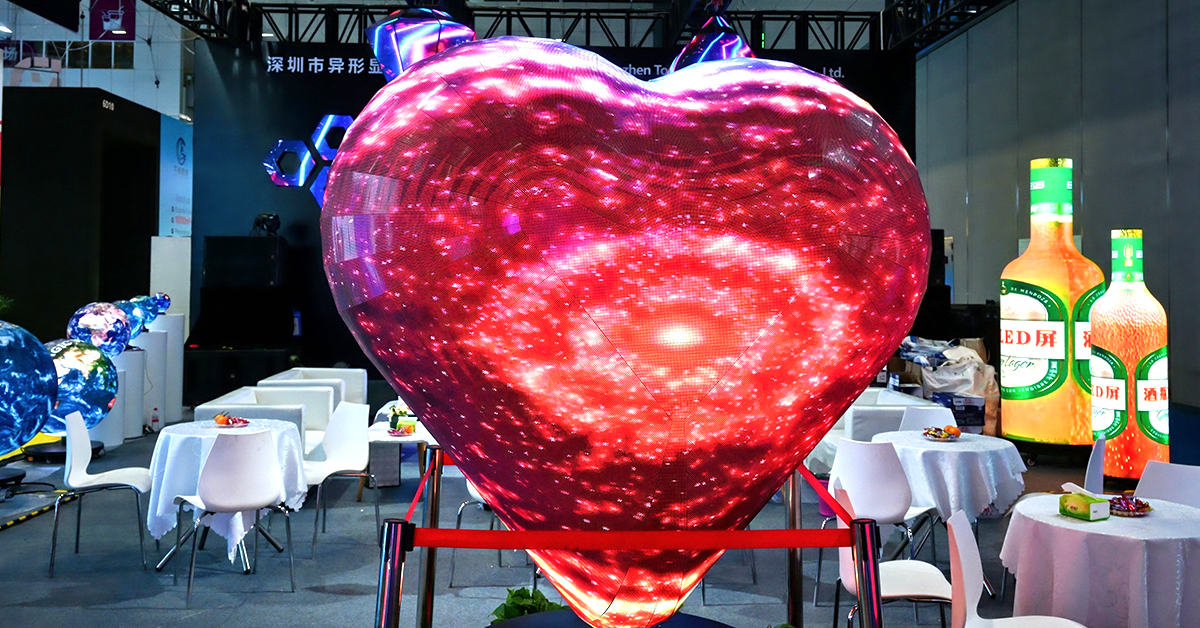
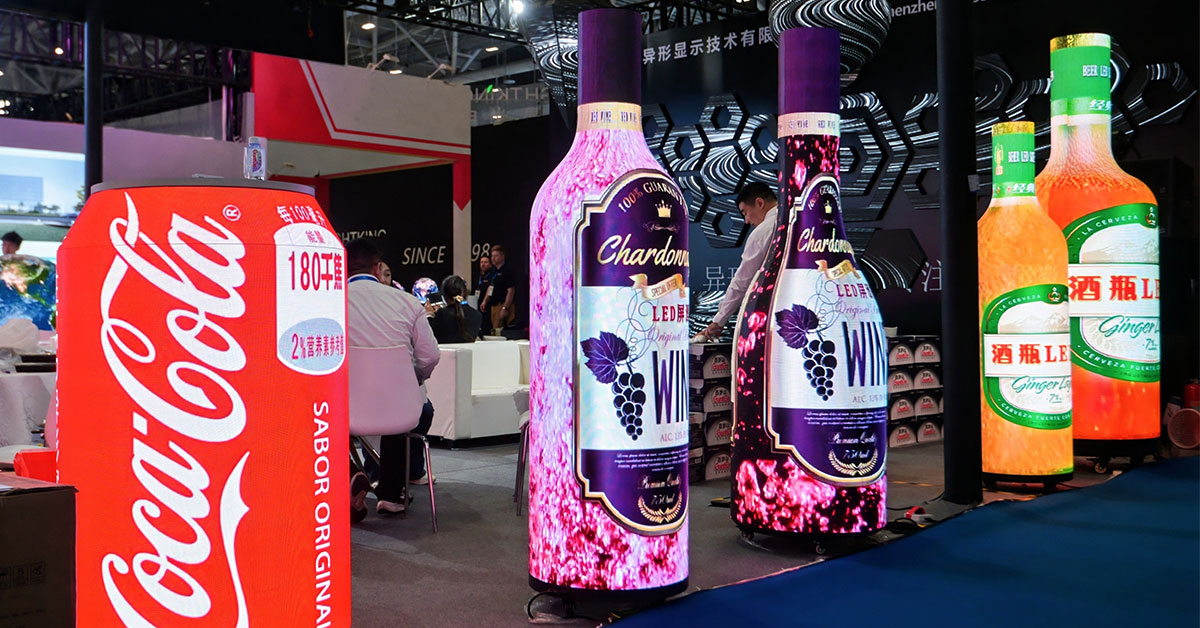
One of the most effective applications involves designing the LED screen to resemble the advertised product itself.
Examples include:
Beverage bottle LED displays
Smartphone-shaped screens
Cosmetic product displays
Automotive-inspired installations
The display becomes both the medium and the message, instantly reinforcing brand recognition.
Custom LED logos allow brands to transform static signage into dynamic communication tools.
Benefits include:
Daytime architectural branding
Nighttime digital advertising
Continuous brand visibility
Stronger visual identity
Instead of displaying a logo beside a screen, the logo itself becomes the screen.
By integrating motors, tracks, or robotic systems, brands can create moving LED installations.
During product launches, multiple curved LED panels can separate, rotate, and reconnect to form different shapes throughout a presentation.
These transformations add theatrical impact and increase audience engagement.
Different screen shapes can work together to tell a single story.
For example:
A large curved screen shows the main scene.
Vertical displays present supporting details.
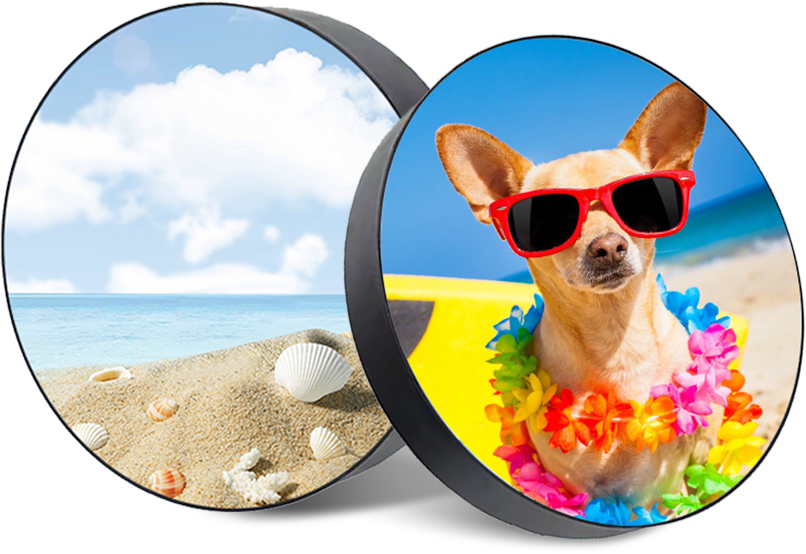
Circular screens highlight product features.
This approach creates a layered storytelling experience that feels more dynamic than a single large display.
Spiral or winding LED screens work particularly well for presenting brand history.
As visitors walk alongside the display, they experience the evolution of a company, product line, or innovation journey in chronological order.
Museums and corporate visitor centers frequently use this format.
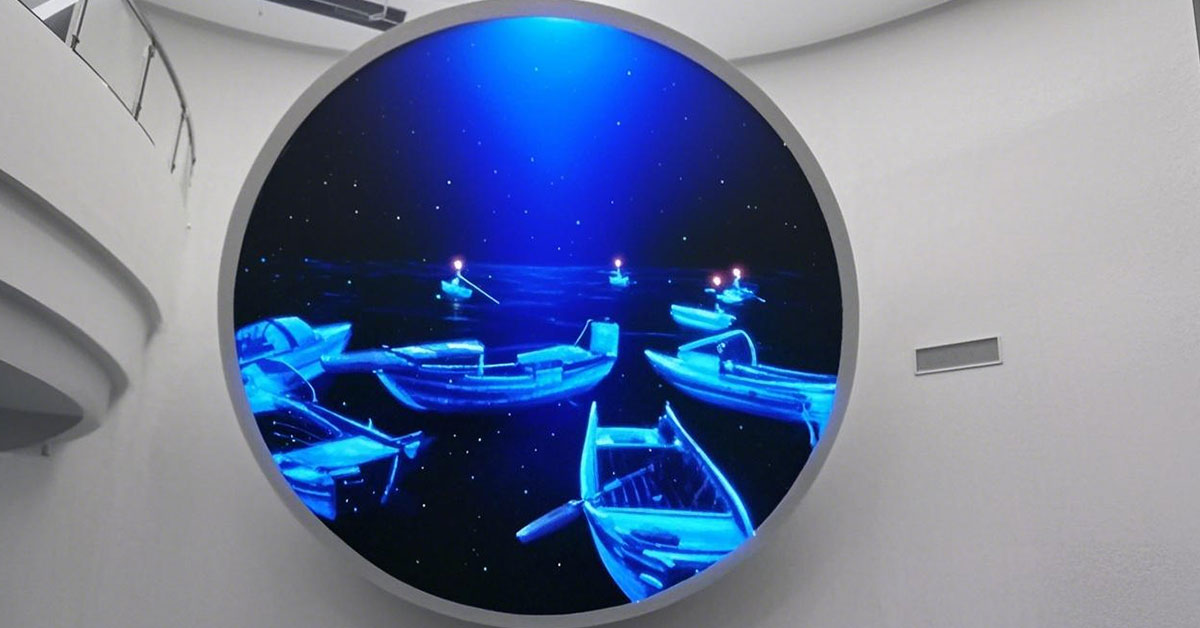
Transparent irregular LED screens can merge digital content with real products.
A watch retailer, for example, can position an actual watch in front of a circular transparent LED screen that displays animated clock hands and moving backgrounds.
The result feels far more engaging than either physical merchandising or digital advertising alone.
 +86 18688923792
  andy@tosled.com